
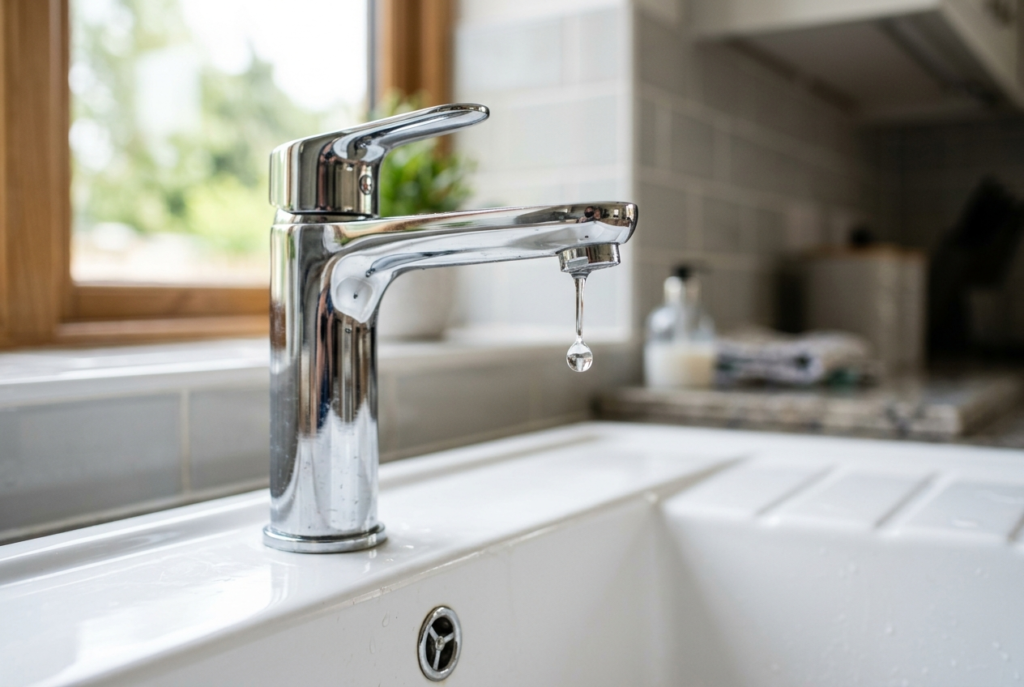
A mixer tap dripping in the middle of the night is a small sound with a big cost. Left alone, a single dripping mixer tap can waste thousands of litres of water a year and quietly push up your water bill. It’s also usually a sign that something inside the tap has worn out and needs attention, not just patience.
In this guide, our plumbing team explains exactly why mixer taps drip, what you can safely check yourself, and when it’s time to bring in a professional. We repair dripping taps across London homes and businesses every week, so this advice comes from what we actually see on the job, not just theory.
Why Is My Mixer Tap Dripping?
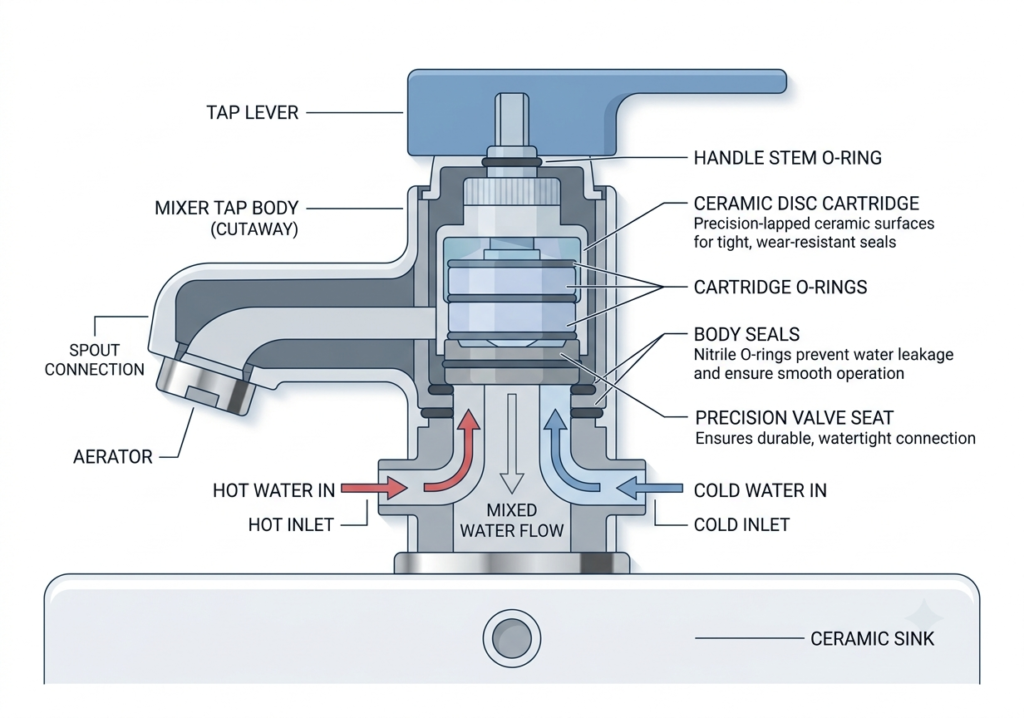
A mixer tap combines hot and cold water through a single spout, using either a cartridge, a ceramic disc valve, or traditional washers to control flow. Whichever mechanism your tap uses, dripping almost always comes down to one thing: a worn or damaged internal part that can no longer form a tight seal.
The most common causes we find include:
- Worn washers or O-rings — the rubber seals harden and crack with age and heat, especially on the hot side of the tap
- A failing ceramic disc cartridge — common in modern mixer taps, these discs wear down or get scratched by grit in the water supply
- Loose or worn valve seats — the metal seating inside the tap body can corrode over time, especially in hard water areas like much of London
- High water pressure — excess pressure puts constant strain on seals and shortens their lifespan
- Limescale build-up — mineral deposits stop parts from closing fully, which is especially common given London’s hard water
- General wear and tear — most mixer taps are only designed to last 10–15 years before internal components need replacing
Is a Dripping Mixer Tap Actually a Problem?
It’s easy to dismiss a dripping tap as a minor annoyance, but it’s worth taking seriously for three reasons.
1. It wastes water and money
A tap dripping once per second can waste over 5,000 litres of water a year. On a water meter, that’s a real and avoidable cost on every bill.
2. It can damage fixtures over time
Constant dripping stains basins and worktops, and in bathrooms it can contribute to limescale build-up around the tap base and along the drain.
3. It’s often an early warning sign
A dripping tap can also point to wider issues with your home’s water pressure, ageing pipework, or a developing leak elsewhere in the system. If you’ve noticed other symptoms alongside the drip, such as damp patches or a drop in pressure at other taps, it’s worth having a plumber check things over with a proper leak detection and repair visit.
What You Can Try Before Calling a Plumber
If you’re comfortable doing basic DIY, there are a few safe checks you can make first. Always turn off the water supply to the tap, or the mains stopcock if there’s no isolation valve, before you start.
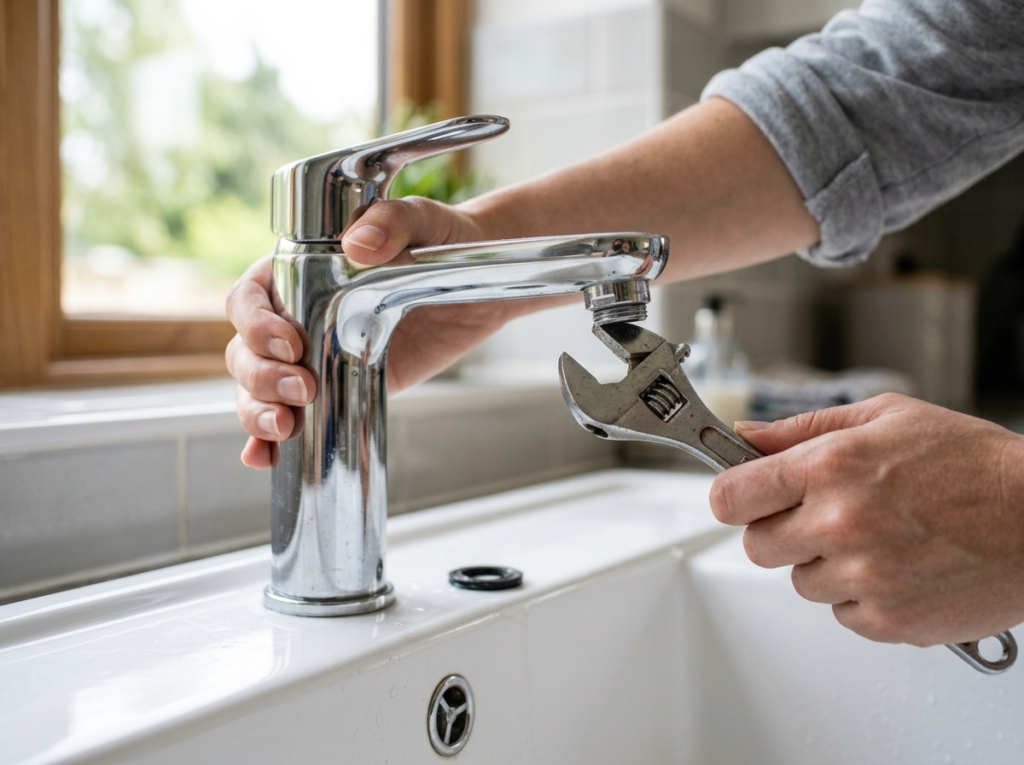
If the drip stops after a simple clean or tighten, great. If it returns within a few days, or if you’re not confident opening up the tap yourself, that’s the point to bring in a professional rather than risk damaging the fitting further.
When to Call a Professional Plumber
We’d recommend booking a plumber rather than continuing with DIY if:
- The drip continues after replacing the washer or cartridge yourself
- You can’t identify or access the correct replacement part for your tap model
- The tap is difficult to turn, feels loose at the base, or wobbles
- There are signs of water damage around the sink, worktop, or cabinet below
- The tap is more than 10–15 years old and repairs have become a recurring issue
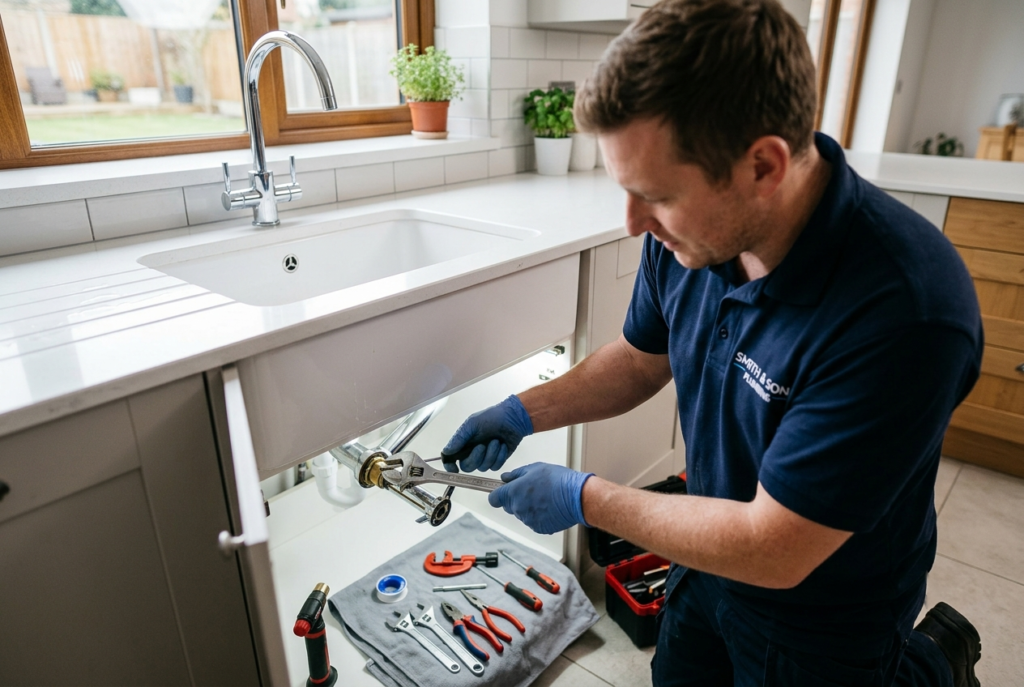
In many cases, a straightforward cartridge or washer replacement is quick and affordable. Our tap and faucet repair service covers exactly this kind of job, and we carry a wide range of common parts so most mixer tap repairs can be completed in a single visit.
Repair or Replace: How to Decide
Not every dripping mixer tap needs to be replaced. As a general guide:
- Repair is usually the right call if the tap body is sound, the finish is in good condition, and the issue is limited to an internal part like a washer or cartridge
- Replacement is worth considering if the tap is old, the finish is worn or corroded, parts are no longer available, or you’re already renovating the space
If you decide it’s time for an upgrade, our team can advise on tap styles and handle the full installation as part of a wider bathroom fitting or kitchen refresh, so everything is fitted correctly and sealed against future leaks.
Preventing Mixer Taps From Dripping Again
A few simple habits go a long way toward extending the life of your mixer taps:
- Turn taps off gently rather than forcing the handle shut — over-tightening wears seals faster
- Fit a water softener or descale taps regularly if you’re in a hard water area
- Have your home’s water pressure checked periodically, as consistently high pressure shortens the life of every tap in the house
- Address small drips as soon as you notice them, rather than waiting for the problem to worsen
For landlords and property managers, keeping on top of small repairs like this is much easier with a scheduled visit plan. Our residential plumbing and annual maintenance contracts are designed to catch issues like worn tap washers before they turn into bigger, more expensive repairs.
Get Your Dripping Mixer Tap Fixed Today
A dripping mixer tap rarely fixes itself, but it’s one of the quickest plumbing problems to put right when you have the right parts and know-how. Our qualified plumbers repair mixer taps across London every day, from small washer replacements to full tap upgrades, and we always explain what’s wrong and what it will cost before we start.
Ready to stop that drip for good? Book a plumber online or contact our team today for a fast, fairly priced repair.