
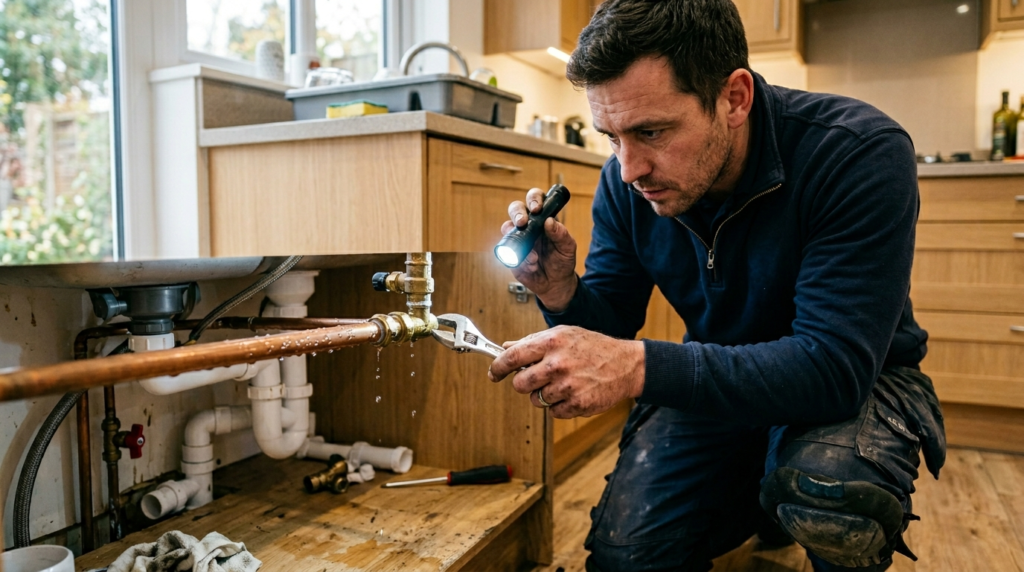
A drip under the sink. A damp patch creeping across the ceiling. A hairline crack you’ve only just noticed behind the washing machine. The first question almost every homeowner asks at this point is the same one: is this pipe fixable, or am I looking at a full replacement?
It’s a fair question, and it’s not always an easy one to answer just by looking. Some pipe problems are quick, low-cost fixes that a plumber can sort in under an hour. Others are a warning sign of something bigger happening further down the line. At Catalyst Home Services, we assess pipework like this every single day across London homes, and in this guide we’ll walk you through exactly how to tell the difference — and what to do next.
What Does “Fixable Pipe” Actually Mean?
When we talk about a fixable pipe, we mean a section of pipework that has a localised, repairable problem — rather than a pipe that has failed structurally or is too degraded to trust going forward. Most pipe issues fall into one of two camps:
Genuinely fixable problems include a small leak at a joint, a pinhole in a short section of pipe, a loose fitting, a worn washer, or a single crack in an otherwise sound length of pipework. These can usually be repaired in place, often on the same visit, without needing to replace the whole run.
Problems that go beyond a simple fix include widespread corrosion, multiple leak points along the same pipe, a pipe made from outdated material (such as lead), or damage that’s a symptom of a bigger issue like high water pressure or ground movement. In these cases, patching one spot is a short-term fix at best — the same pipe is likely to fail again soon, often somewhere else along its length.
The honest answer is that you usually need a professional eye to tell the two apart with confidence. But there are some reliable clues you can look for yourself first.
Signs a Pipe Can Probably Be Repaired
If you’re dealing with any of the following, there’s a good chance the pipe is fixable rather than due for full replacement:
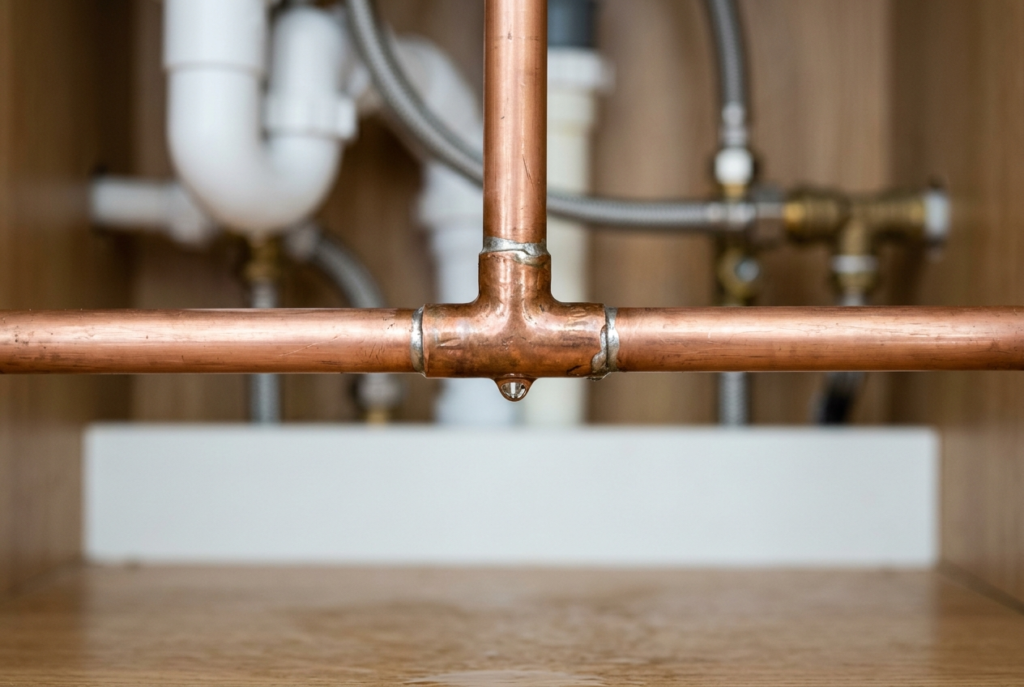
- A single, localised leak — water appearing at one specific joint, valve, or short section, rather than damp patches in several different places
- The pipe is structurally sound elsewhere — no visible corrosion, pitting, or weakness along the rest of its length
- The pipe is reasonably modern — copper, plastic (PEX or push-fit), or another current standard material, rather than old lead or perished iron
- The damage is accidental — a small puncture from a nail or drill bit, rather than gradual wear
- It’s a recent problem — sudden leaks from accidental damage tend to be more straightforward to repair than long-term, slow-developing ones
In these situations, a plumber can usually carry out a same-day repair — cutting out the damaged section and rejoining the pipe, fitting a repair clamp, resealing a joint, or replacing a washer — and you’re back up and running with minimal disruption.
Signs a Pipe Needs Replacing Rather Than Repairing
On the other hand, these signs usually point towards something more serious than a quick patch:
- Repeated leaks in the same general area, even after a previous repair
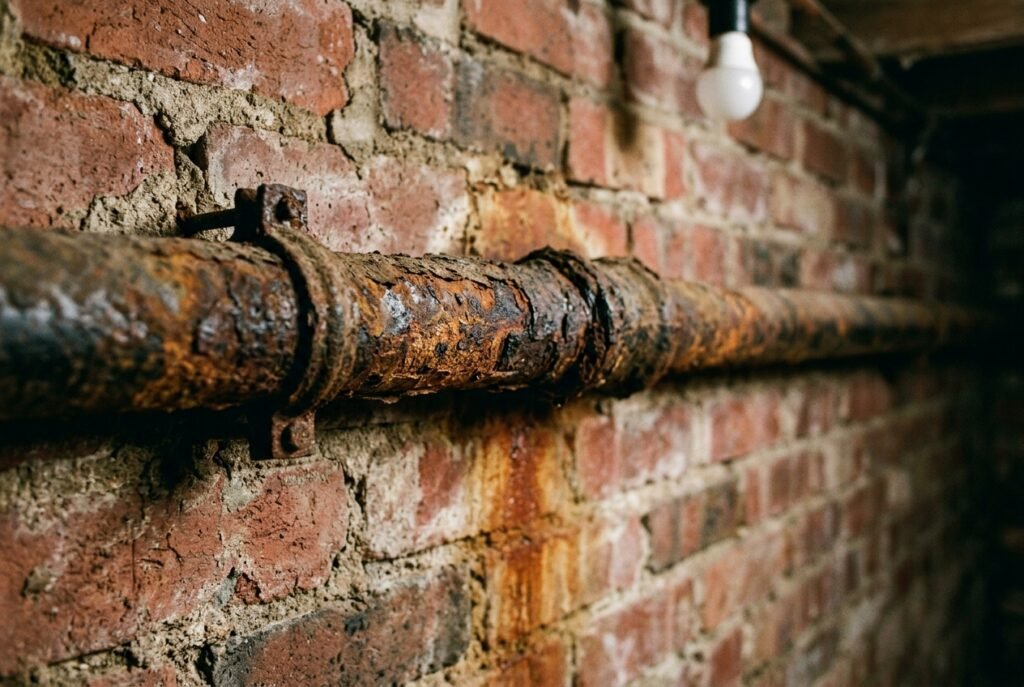
- Visible corrosion, rust-coloured staining, or flaking on metal pipework
- Discoloured or rusty water coming through your taps
- A persistent, unexplained drop in water pressure — our guide to water pressure issues covers this in more depth
- Pipework that’s original to a property over 40 years old, particularly lead or galvanised iron supply pipes
- A pipe that has already burst once — see our dedicated page on burst pipe repair for what that situation involves
- Banging or knocking noises in the pipework (known as water hammer), which puts ongoing stress on joints and fittings
If several of these apply, a single repair is unlikely to be the end of the story. It’s far more cost-effective in the long run to deal with the underlying pipe condition properly than to keep calling someone out for the same problem every few months.
How a Plumber Assesses Whether Your Pipe Is Fixable
When one of our engineers comes to look at a leaking or damaged pipe, the assessment generally follows the same logical process:
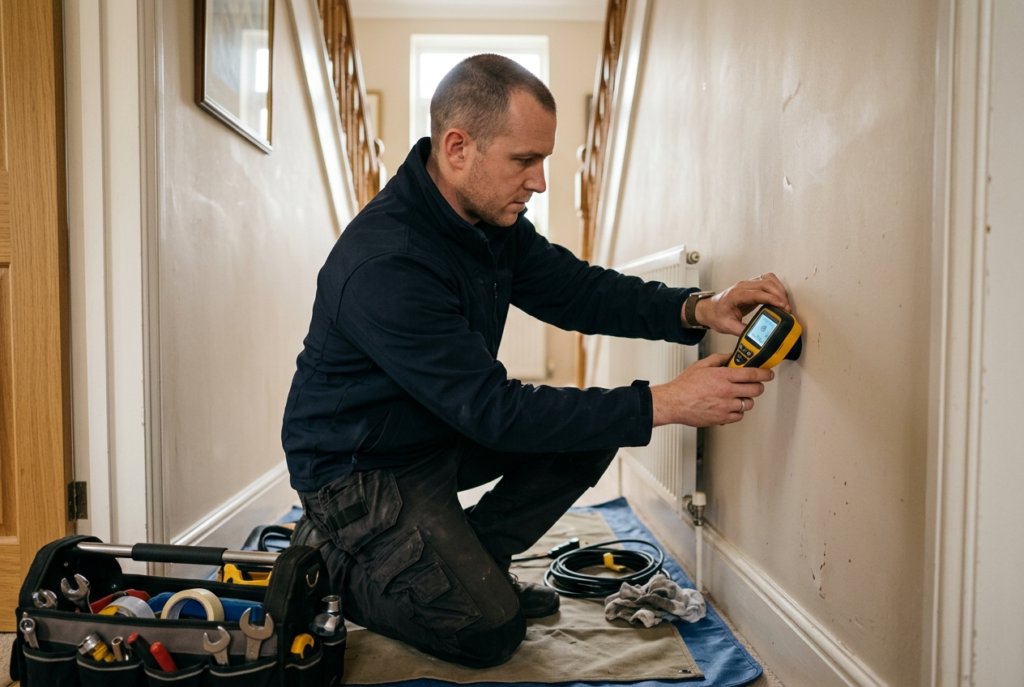
1. Locate the source. Sometimes this is obvious. Often it isn’t — water can travel along joists or down the inside of a wall before it shows up somewhere completely different from where the actual leak is. For hidden leaks, we use specialist equipment as part of our leak detection and repair service, which finds the source without unnecessary damage to your walls or floors.
2. Check the pipe material and age. Copper, modern plastic, and push-fit pipework generally repair well. Older lead, cast iron, or galvanised steel pipework is a different story — even if today’s leak is fixable, the material itself is usually close to the end of its working life.
3. Inspect the surrounding pipework. A leak rarely happens in isolation. If the rest of the run shows similar wear, fixing just the one spot is treating the symptom rather than the cause.
4. Consider water pressure. Excessively high mains pressure is a common reason pipes spring repeat leaks. If this is suspected, it’s worth investigating alongside any repair.
5. Give you an honest recommendation. A trustworthy plumber tells you plainly whether a repair will hold up or whether you’re better off addressing it properly now. At Catalyst, we’d always rather tell you the truth than sell you a quick fix that brings you straight back to square one.
Our Approach to Pipe Repairs
When we determine that a pipe genuinely is fixable, our engineers carry out the repair using methods suited to the pipe material and location, including:
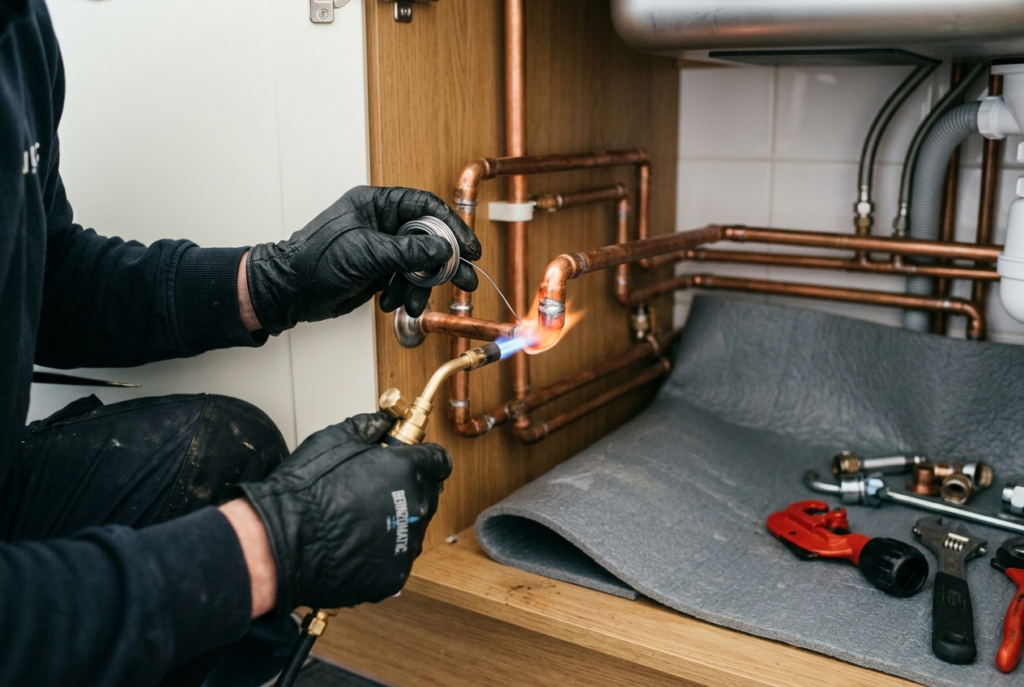
- Cutting out and replacing a damaged section, then rejoining with soldered, compression, or push-fit connections
- Fitting a repair clamp for a quick, reliable seal on certain types of leak
- Resealing or replacing worn joints, valves, and fittings
- Pressure-testing the repaired section before we consider the job finished, so you’re not left wondering if it’ll hold
If the inspection reveals that the problem is more widespread than a single fixable spot, we’ll explain exactly what we’ve found and talk you through your options — including our pipe replacement and relining service, which covers everything from a single damaged run to a full pipework upgrade, including no-dig relining for underground pipes that would otherwise mean digging up your garden or driveway.
What Does Pipe Repair Cost in the UK?
The cost of repairing a fixable pipe depends on several factors: how accessible the pipe is, what material it’s made from, and whether any opening-up of walls or floors is needed to reach it. A straightforward joint reseal or small section repair is generally one of the more affordable plumbing jobs, often completed within a single callout.
We always provide a clear, written quote before any work begins, so there are no surprises once the job is done. If you’re not sure whether your problem is a quick fix or something bigger, the most reliable way to find out is to get it looked at — guessing from a damp patch alone rarely gives the full picture.
When to Call a Plumber Straight Away
Some pipe problems can wait a day or two for a scheduled appointment. Others can’t. Call for help immediately if:
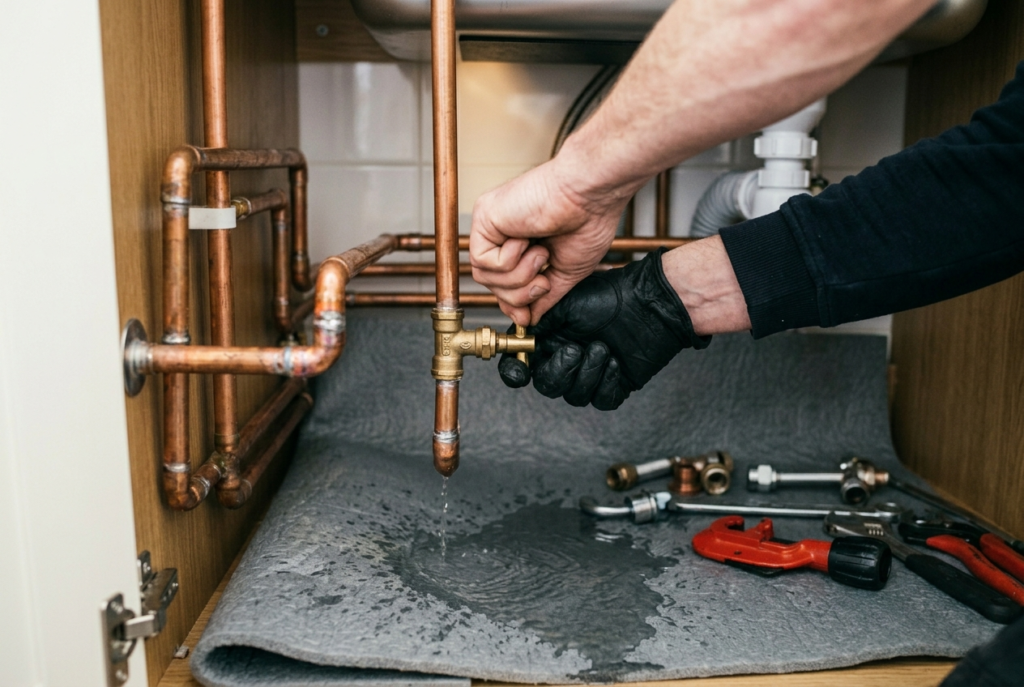
- Water is actively flowing and you can’t stop it at the source
- You can hear running water but can’t see where it’s coming from
- A damp patch is spreading rather than staying the same size
- You smell damp, musty odours that suggest a long-standing hidden leak
In any of these situations, the first thing to do is locate your stop tap — usually under the kitchen sink or in an airing cupboard — and turn off your water supply. This single step does more to limit damage than anything else while you wait for help to arrive. Our emergency plumbing team is available around the clock for exactly these situations.
Why Choose Catalyst Home Services for Pipe Repairs
We’ve been assessing and repairing pipework across London for years, and we know that the question isn’t always “can this be fixed” — it’s “should it be fixed, or is it time to deal with the real cause.” Here’s what you get when you call us:
Honest assessments. We’ll never talk you into a bigger job than you need — and we’ll never patch something we know won’t hold. Read more about how we work on our Why Choose Us page.
Qualified, insured engineers. Every plumber we send out holds the relevant qualifications for the work involved. You can check our licences and certifications for full details.
Transparent pricing. A written quote before we start, and no hidden charges added afterwards.
Fast response. Same-day appointments in most parts of London, with a 24/7 emergency line for anything that can’t wait.
Coverage across London. Check our service areas page to confirm we cover your postcode, and see what our customers say on our reviews and testimonials page.
If you’d rather avoid these decisions altogether, our Annual Maintenance Contract (AMC) packages include regular inspections that catch fixable problems early — long before they turn into something that isn’t.
FAQs
Can a leaking pipe always be repaired without replacing it?
Not always, but often, yes. A single localised leak in an otherwise sound pipe is usually repairable. Repeated leaks, visible corrosion, or old pipe materials like lead are signs that a repair may only be a temporary fix.
How do I know if my pipe leak is serious?
If water is actively flowing, you can hear running water with no visible source, or a damp patch is growing rather than staying still, treat it as serious and turn off your water supply at the stop tap immediately, then call a plumber.
Is it cheaper to repair a pipe or replace it?
A small, localised repair is almost always cheaper in the short term. However, if the underlying pipework is failing more broadly, repeated repairs can end up costing more than addressing the problem properly once. A professional assessment will tell you which situation you’re in.
Can I repair a pipe myself?
Minor fixes like tightening a fitting or replacing a tap washer are within reach for many confident DIYers. However, working on supply pipes, soldered joints, or anything connected to your mains water supply carries real risk of making things worse, and in some cases must comply with UK water regulations. When in doubt, it’s safer and often cheaper overall to call a qualified plumber.
What’s the difference between pipe repair and pipe relining?
Pipe repair fixes a specific, localised problem in an otherwise healthy pipe. Pipe relining is a more substantial no-dig solution used when a pipe — often an underground drainage pipe — needs a new internal surface along its full length. You can read more on our pipe replacement and relining page.
How quickly can Catalyst Home Services assess my pipe?
We offer same-day appointments across most of London for non-emergency assessments, and a 24/7 emergency line for active leaks or burst pipes. Book a plumber online or call us directly to arrange a visit.

Get a Straight Answer About Your Pipe
If you’re staring at a damp patch, a drip, or a crack and you’re not sure whether it’s a five-minute fix or something more, don’t leave it to guesswork. The earlier a fixable pipe problem is dealt with, the cheaper and simpler the solution tends to be.
📞 +44 7400 265421 — Call us for an honest assessment
📅 Book a Plumber Online — For non-emergency appointments
🚨 24/7 Emergency Line — For active leaks and burst pipes
📍 Check Our Service Areas — We cover all of London
⭐ Read Our Reviews — See what our customers say