
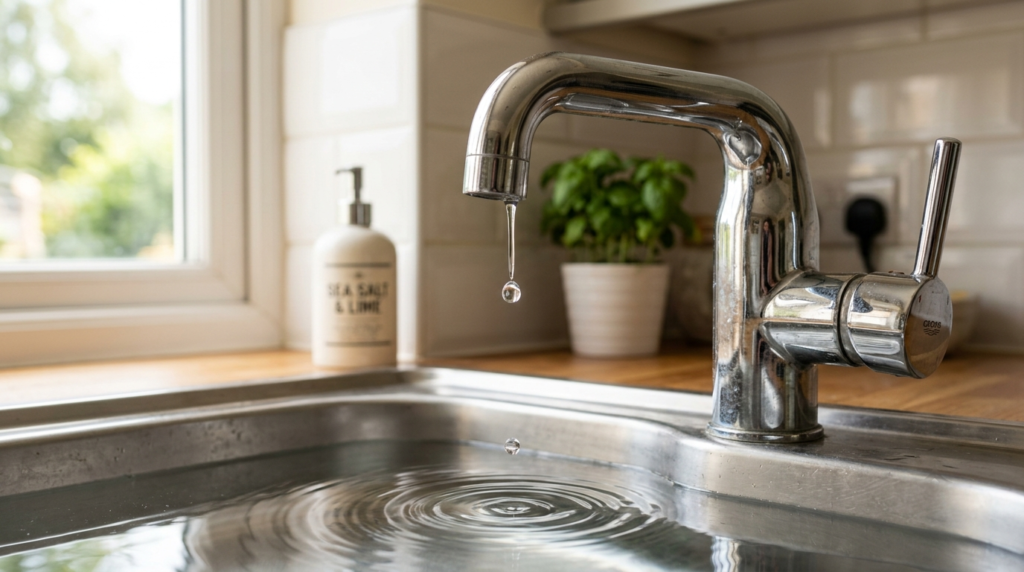
That steady drip… drip… drip from the kitchen or bathroom tap is one of those problems every homeowner learns to live with — until the water bill arrives, or the cupboard underneath starts to smell damp. A dripping tap is rarely a dramatic emergency, but it is almost never worth ignoring. In most cases it is also one of the simpler plumbing jobs to put right.
This guide walks through why taps drip, what you can safely try yourself, and when it makes more sense to bring in a professional. If you would rather skip straight to getting it fixed, Catalyst Home Services offers same-day tap and faucet repair across London.
Why a Dripping Tap Is Worth Fixing Promptly
A tap that drips once every second wastes over 10,000 litres of water a year. On a metered supply, that shows up directly on the bill. Left unchecked for long enough, a persistent drip can also stain the sink, corrode the tap finish, and — in the case of a base leak — cause slow water damage to the cabinet or floor beneath.
The good news is that the repair itself is usually quick and inexpensive compared with the cost of letting it run. Most dripping tap jobs are resolved in under an hour once the correct part is identified.
Common Causes of a Dripping Tap
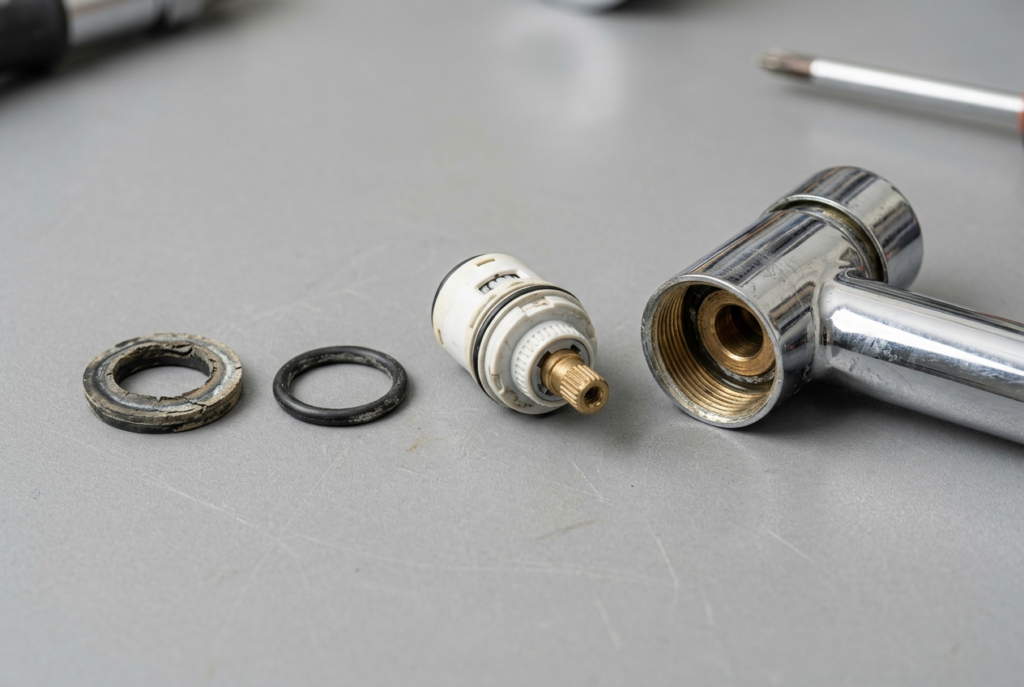
Tap drips almost always trace back to one of a handful of worn internal parts:
Can You Fix a Dripping Tap Yourself?
If you’re reasonably comfortable with basic tools, a washer or O-ring replacement on a standard pillar tap is a fair DIY job. Mixer taps with ceramic cartridges are a little more involved but still manageable for many homeowners. Here’s the general process:
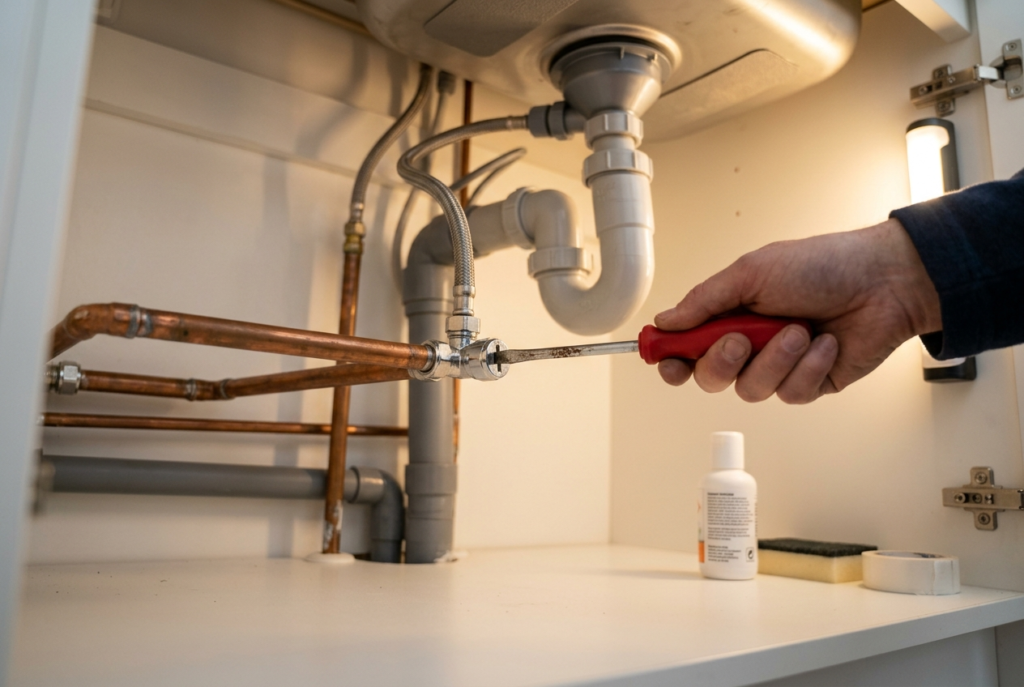
- Turn off the water. Use the isolation valve under the sink (a flat-head screw slot, turned a quarter-turn) or the property’s main stopcock if there’s no isolation valve.
- Release any residual pressure by opening the tap fully once the supply is off.
- Remove the tap head — usually a cap hides a retaining screw underneath.
- Identify the worn part. Pillar taps typically reveal a washer at the base of the headgear. Mixer taps reveal a cartridge that lifts or unscrews out.
- Replace the part with the correct size and type — taking the old one to a plumbers’ merchant to match it is the safest approach.
- Reassemble and test with the water back on, checking for drips at the spout and the base.
If, at any point, a part won’t budge, the tap body feels corroded, or you’re not confident diagnosing the fault correctly, it’s better to stop there than risk damaging the tap or the supply pipe.
When to Call a Professional Instead
Bringing in a qualified plumber makes sense when:
- The drip continues after a washer or cartridge replacement — often a sign the valve seat itself is damaged.
- Water is leaking from the base of the tap body rather than the spout, which can point to a failed internal seal.
- The tap won’t shut off at all — this is worth treating urgently, and Catalyst’s 24/7 emergency line is available for exactly this situation.
- You suspect the leak is coming from behind the wall or under the floor rather than the tap itself — that’s a job for leak detection and repair, not a washer swap.
- Water flow from the tap is unusually weak, which can point to a wider water pressure issue rather than the tap itself.
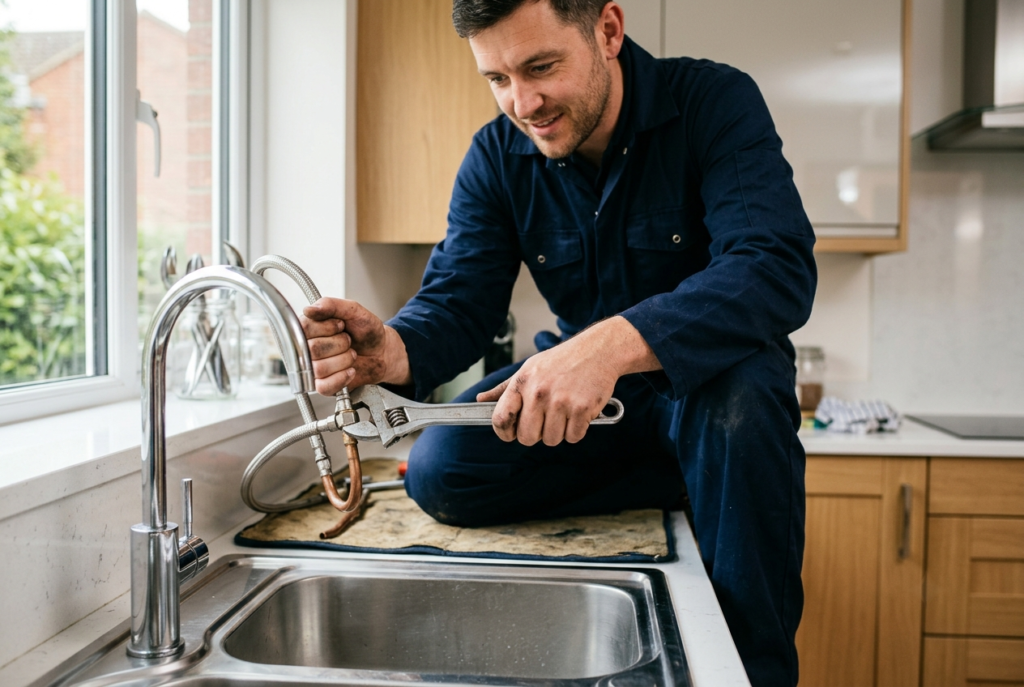
A professional visit also gives you an honest read on whether the tap is worth repairing at all. If the body is corroded or parts for an older model are no longer available, replacement can end up being the more sensible option — something an engineer can assess on the spot.
Dripping Taps: What Differs by Tap Type
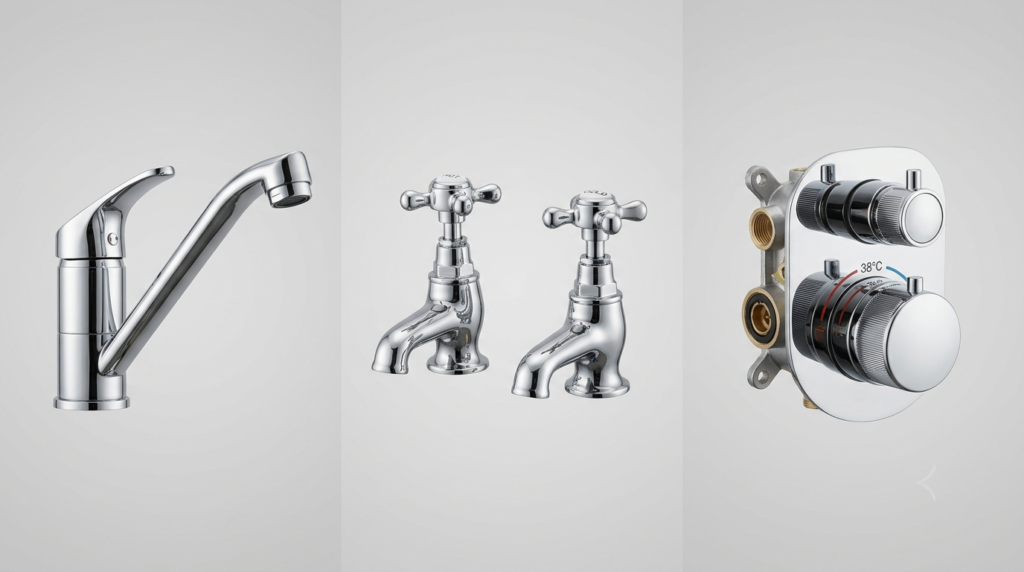
Mixer Taps
The most common tap in modern UK kitchens and bathrooms. A single ceramic cartridge controls both temperature and flow, so when it fails the tap typically drips, loses pressure, or stops mixing hot and cold correctly.
Traditional Pillar Taps
Separate hot and cold taps using a washer-and-seat design. Reliable and simple, but the washer is a wear part that needs periodic replacement — usually every few years depending on use and water hardness.
Thermostatic Shower & Bath Mixers
These use a thermostatic cartridge in addition to the standard valve. A drip here can also come with inconsistent water temperature, which is a sign the cartridge — not just a washer — needs attention.
Preventing Future Drips
- Don’t overtighten taps when closing them — this accelerates washer wear rather than preventing it.
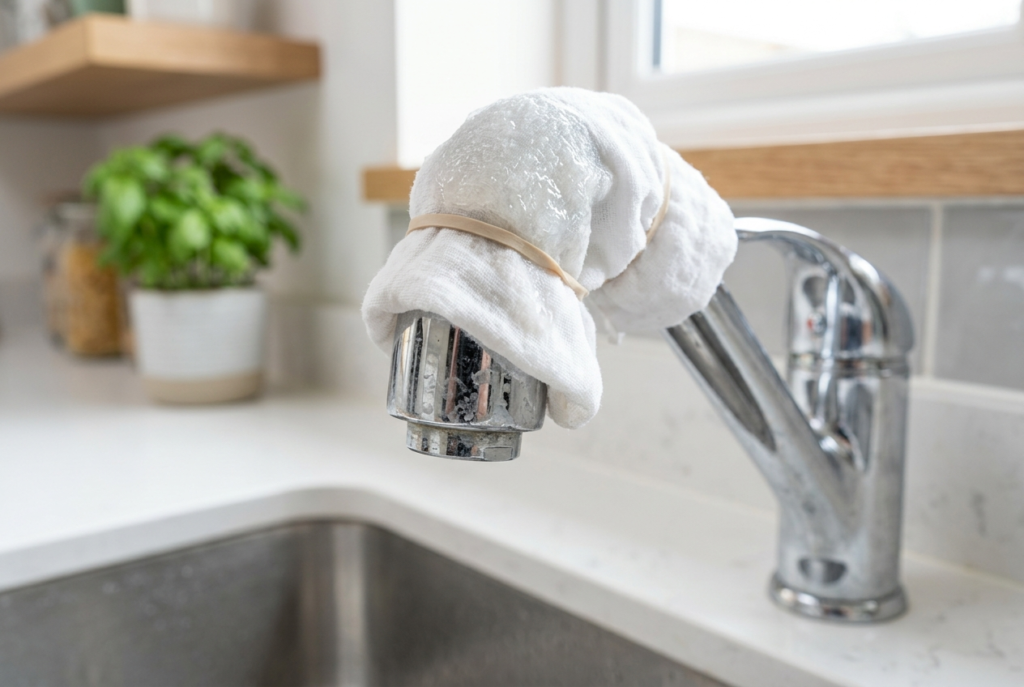
- Fit an inline scale inhibitor or descale tap heads periodically in hard water areas.
- Address a drip as soon as it starts rather than waiting — a small drip is a five-minute part swap; a neglected one can damage the valve seat.
- For landlords and larger properties, a scheduled Planned Preventive Maintenance plan catches worn washers and cartridges before they start dripping.
How Much Does Dripping Tap Repair Cost?
Pricing depends on the tap type and the part required. A washer replacement on a standard pillar tap sits at the lower end of the scale, while cartridge replacements on mixer taps or thermostatic shower valves cost more because the parts themselves are pricier. Catalyst Home Services always provides a clear quote before any work begins, so there are no surprises on the invoice.
Book Dripping Tap Repair in London
If the drip has outlasted your patience, or a DIY attempt hasn’t quite solved it, Catalyst Home Services offers same-day tap and faucet repair across London, backed by qualified, licensed engineers and transparent pricing with no hidden call-out fees. Read what customers have to say on our reviews page, check we cover your postcode via our service areas page, and call +44 7400 265421 or book a plumber online to get it sorted.