
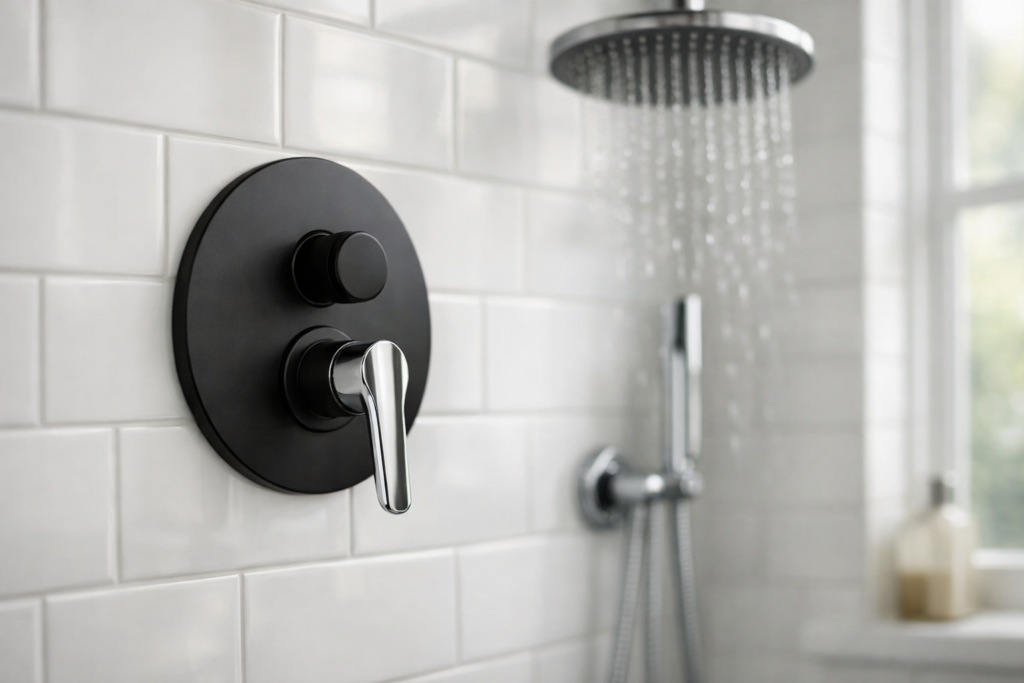
If your shower drips, runs cold at the wrong moment, or has never worked quite right since the day it was fitted, the problem usually comes down to one thing: the shower plumbing fittings behind the tiles. Valves, mixers, diverters, hoses and trims all have to work together, and when one part is worn, poorly sized or badly installed, the whole system suffers.
At Catalyst Home Services, we fit, repair and replace shower plumbing fittings in homes across London every week. This guide walks through what these fittings actually are, the main types you’ll come across, how to choose the right ones, and how to keep them working properly for years to come.
What Are Shower Plumbing Fittings?
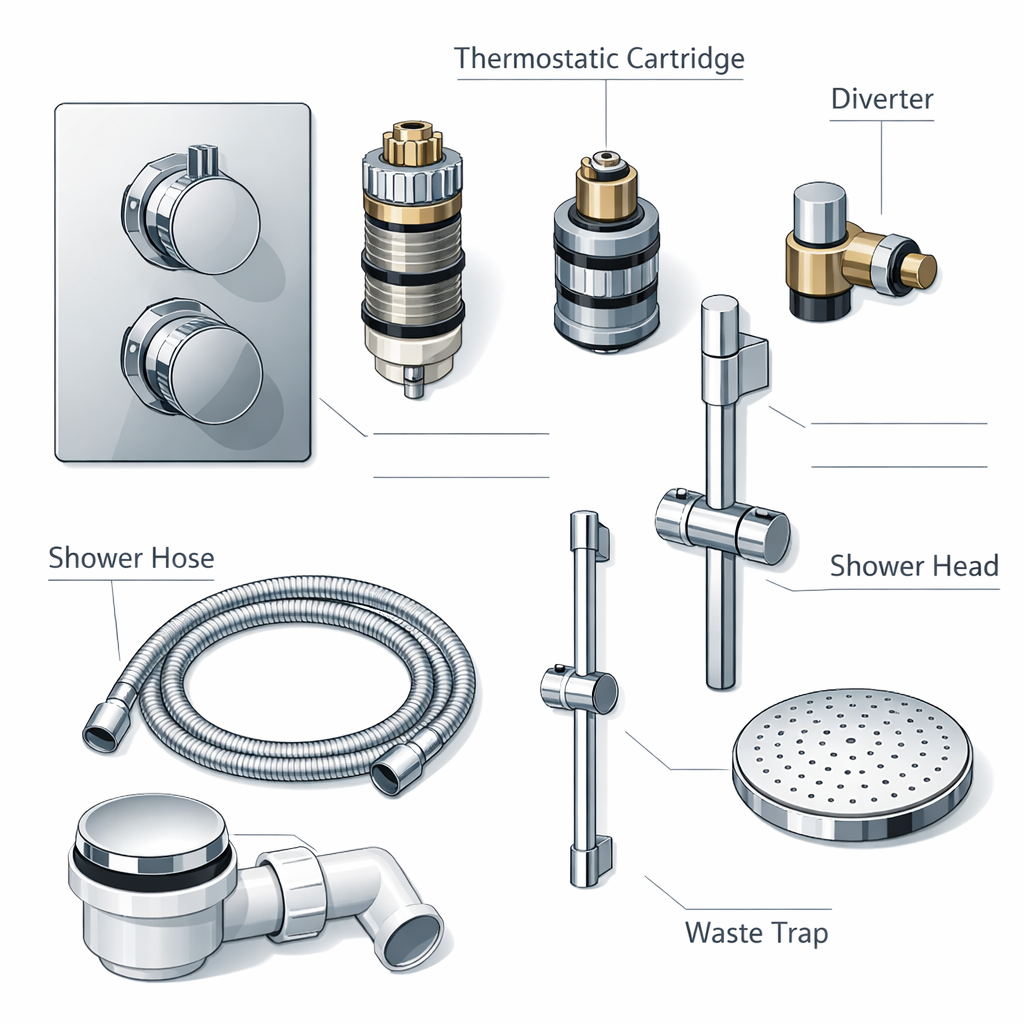
“Shower plumbing fittings” is the umbrella term for every component that controls, mixes, directs and delivers water in your shower — everything except the tiles, tray and glass. That includes:
- The shower valve – controls water flow and temperature
- The mixer or thermostatic cartridge – blends hot and cold water
- The diverter – switches flow between the shower head, handset and bath tap
- Hoses, risers and wall outlets – carry water to the head
- Shower heads and handsets – deliver the spray
- Trims, handles and covers – the visible finishing parts
- The shower waste and trap – take used water away safely
Get any one of these wrong, and you can end up with scalding water, poor pressure, or a leak that quietly damages a ceiling below. That’s why choosing and fitting them correctly matters as much as choosing the shower itself.
Main Types of Shower Plumbing Fittings
1. Concealed Shower Valves
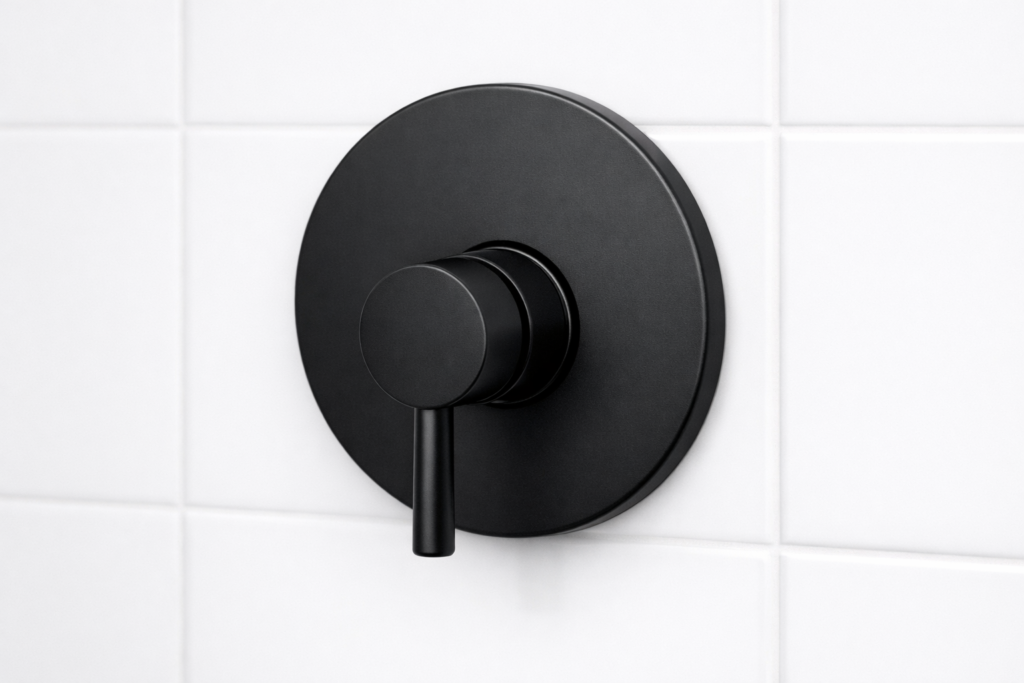
Concealed valves sit inside the wall, leaving only the control plate and handles visible. They give a clean, modern look and are the standard choice in most London bathroom renovations. Because the working parts are hidden, they need to be installed correctly the first time — repairs mean opening up tiled walls.
2. Exposed Shower Valves and Bar Mixers
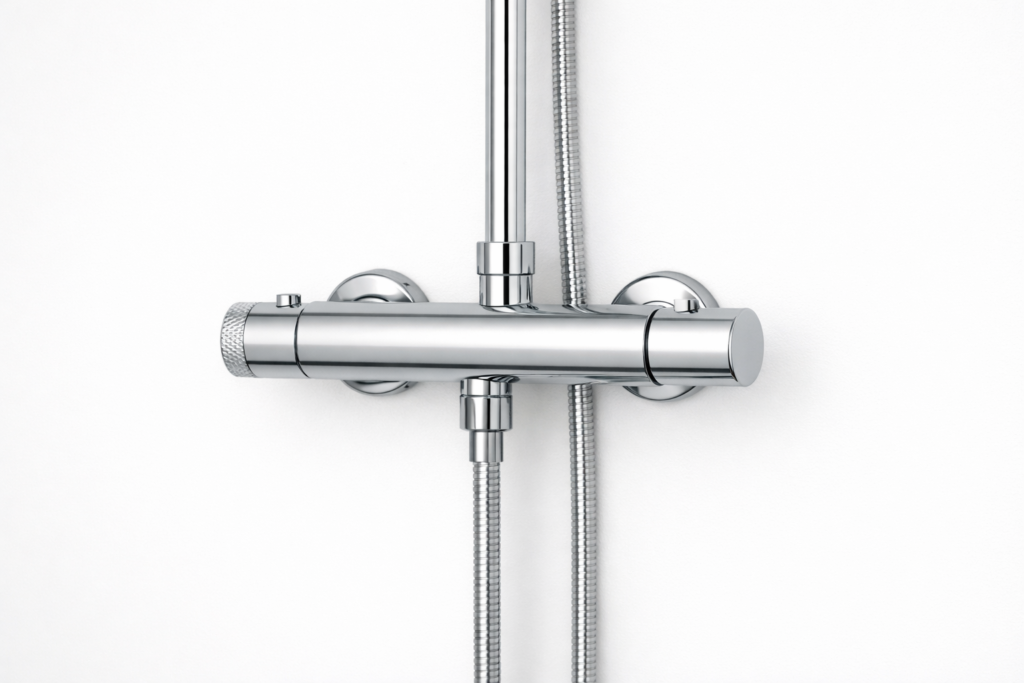
Exposed valves and bar-style mixers sit on the wall surface, with visible pipework. They’re quicker and cheaper to fit or replace since there’s no chasing into the wall required, which makes them popular for rented properties and budget-conscious refits.
3. Thermostatic Mixing Valves (TMVs)
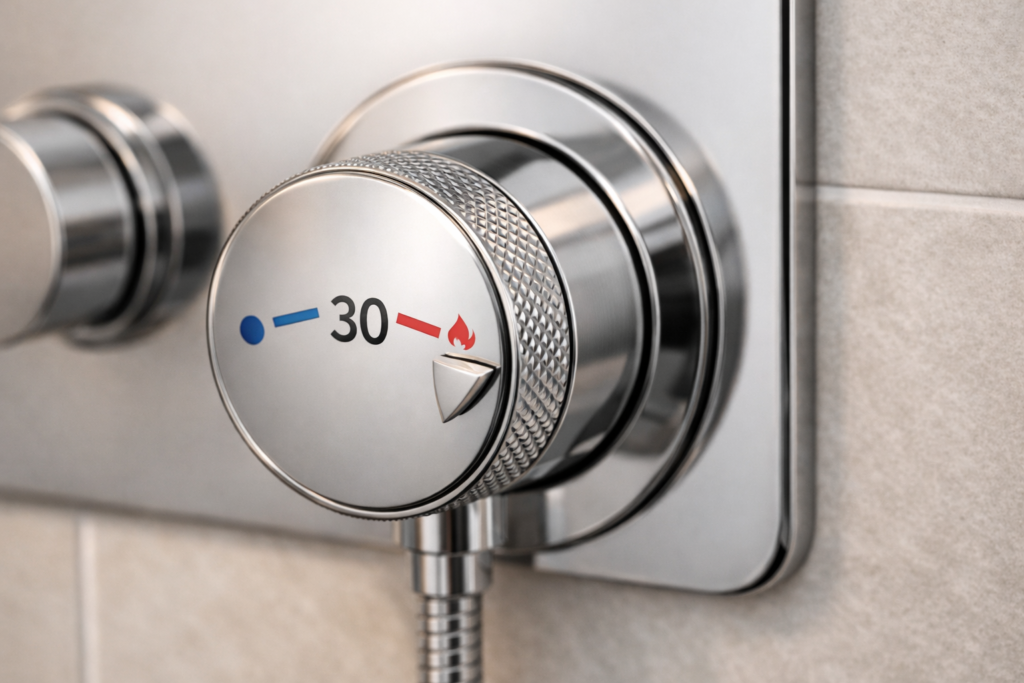
A thermostatic valve automatically balances hot and cold water and shuts off the flow if the cold supply fails, preventing scalding. In the UK, TMV2 or TMV3-rated valves are a legal or best-practice requirement in rental properties, care homes, schools and family bathrooms. If you have young children or elderly residents at home, this is the fitting to prioritise.
4. Manual Mixer Valves
Simpler and less expensive than thermostatic valves, manual mixers rely on the user adjusting hot and cold manually. They work well where water pressure is stable but offer no automatic protection against sudden temperature changes.
5. Electric Showers
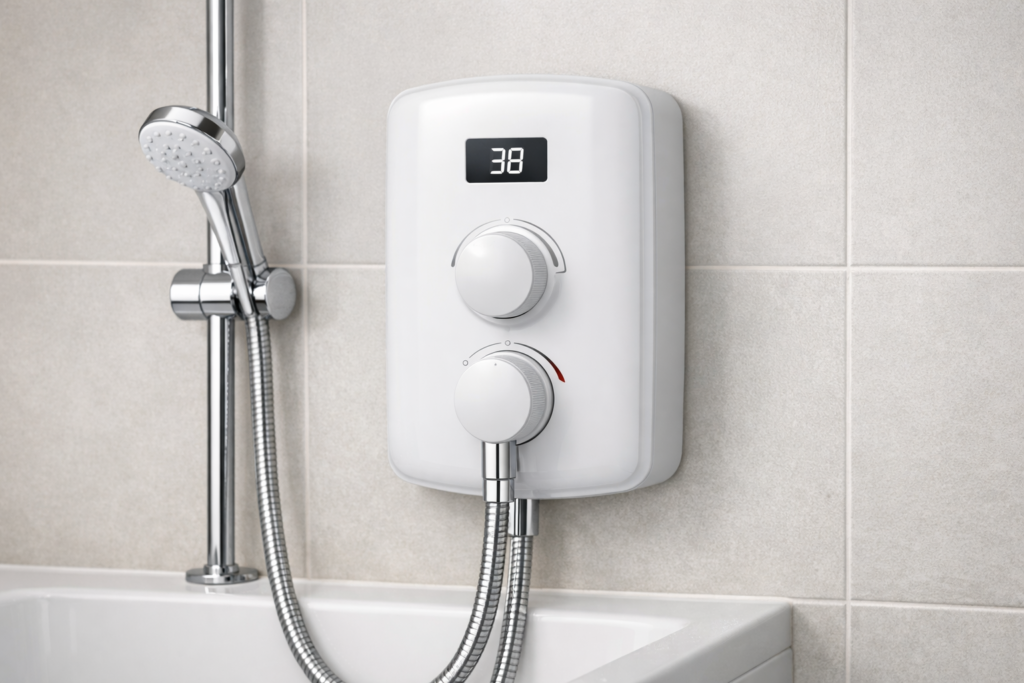
Electric showers heat cold water on demand using an internal element, making them independent of your boiler or hot water cylinder. They’re a practical option for homes with low mains pressure or an unreliable hot water supply, but they do need a dedicated electrical circuit installed by a qualified electrician alongside the plumbing work.
6. Digital Showers
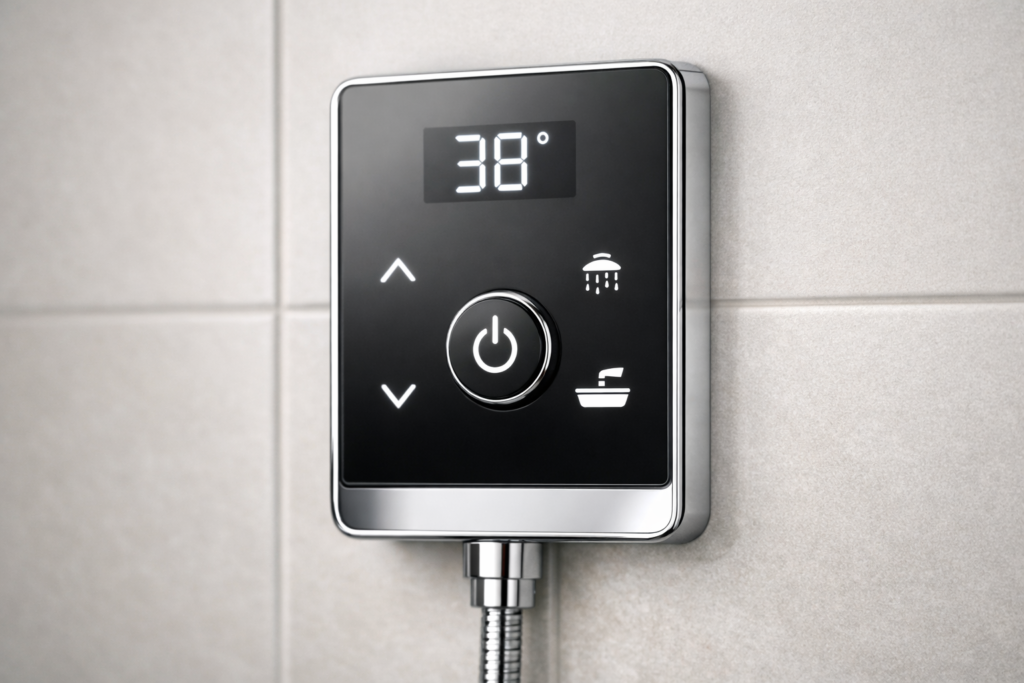
Digital showers use a separate processor unit and a wireless or wired controller, letting you set a precise temperature and flow at the touch of a button. They’re a good fit for homes where the valve can’t easily be positioned near the shower itself, such as loft conversions or shower rooms far from the main pipework.
7. Diverter Valves
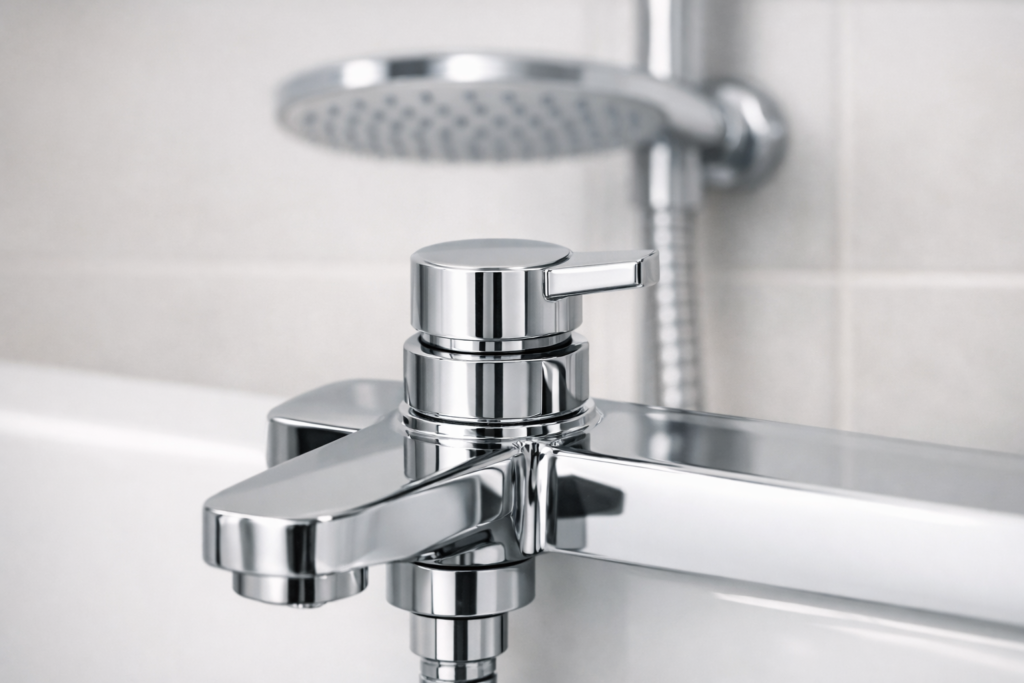
A diverter fitting redirects water between outlets — for example, from a bath tap to an overhead shower, or between a fixed head and a handset. Diverters wear out with frequent use, and a diverter that won’t hold position cleanly is one of the most common shower complaints we see on call-outs.
For example, our team regularly handles tap and faucet repairs across London.
8. Shower Hoses, Risers and Wall Outlets
Flexible hoses and sliding riser rails let you adjust the shower head height and angle. Cheap hoses are a common source of small leaks and limescale build-up, so a decent quality hose is a worthwhile upgrade even on an older shower.
9. Trims, Handles and Cover Plates
These are the finishing pieces — the parts you actually touch and see. They’re easy to overlook, but a cracked cover plate or a loose handle is often the first sign that the valve behind it needs attention.
How to Choose the Right Shower Fittings
The right fittings depend on your home’s plumbing system, not just your taste in finishes.
- Combi boiler homes generally handle thermostatic mixer or electric showers well, since mains pressure is consistent.
- Gravity-fed systems with a header tank often need a pumped shower or fittings rated for lower pressure.
- Unvented cylinder systems usually support high-pressure thermostatic and digital showers with strong, even flow.
- Rental properties and family homes should use TMV2-rated valves as standard, in line with UK safety guidance.
If you’re not sure what system your property has, our team can check this as part of a bathroom fitting consultation, or during a call-out for water pressure issues.
Installation Tips for Shower Plumbing Fittings
A shower valve is only as good as its installation. Even premium fittings will fail early if any of the following are missed:
- Isolation valves fitted on hot and cold supplies, so future repairs don’t require draining the whole system
- Correct alignment and level, checked before tiling — concealed valves can’t be adjusted once the wall is closed up
- An access panel left behind concealed valves, so cartridges and seals can be serviced without breaking tiles
- Proper sealing around wall penetrations to stop water tracking behind tiles and boards
- Pipework sized and supported correctly, to avoid pressure drops and banging or vibrating pipes
This is exactly why we recommend professional installation for anything beyond a straightforward like-for-like swap. A concealed valve fitted a few millimetres out of true, or without an access panel, can mean re-tiling an entire wall later just to fix a worn washer.
Common Shower Plumbing Fittings Problems
Dripping or Leaking Valve
Usually caused by a worn washer, O-ring or cartridge inside the valve. Left unaddressed, small drips can lead to limescale build-up, staining and, eventually, water finding its way into the wall or ceiling below.
Sudden Temperature Changes
A thermostatic cartridge that’s failed or scaled up can let hot and cold water fluctuate unexpectedly. This is a safety issue as much as a comfort one, particularly in households with children.
Low or Uneven Water Pressure
Often traced to limescale in the valve, a partially closed isolation valve, or a wider water pressure problem in the property. Not every low-pressure complaint is the shower’s fault, so it’s worth having the whole system checked.
Diverter Won’t Hold Position
A diverter that slips back to the bath tap mid-shower usually needs a new internal cartridge rather than a full valve replacement.
Leaks Behind the Wall
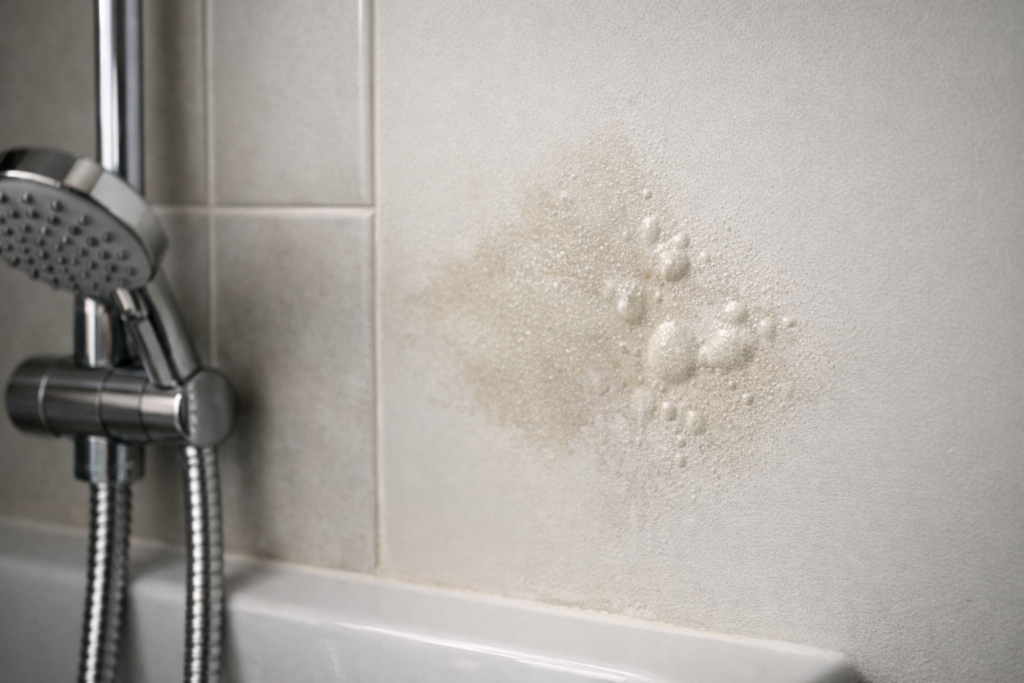
Damp patches, bubbling paint or a musty smell near a shower wall can point to a hidden leak in the fittings behind it. This needs prompt attention — our leak detection and repair service uses non-invasive methods to find the source before any tiles come off.
Maintaining Your Shower Plumbing Fittings
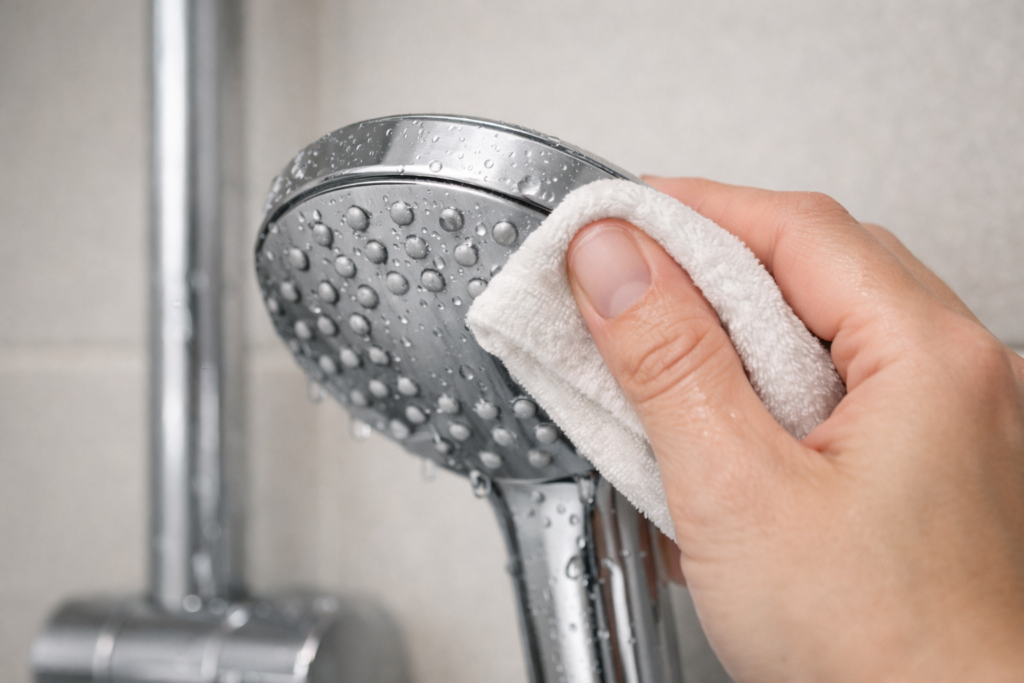
- Descale shower heads, hoses and valve trims every 4–6 weeks in hard water areas like much of London
- Wipe down trims and seals after use to prevent limescale and mould building up around fittings
- Check for slow drips or a slightly stiff diverter early — small issues are far cheaper to fix than a failed valve
- Have thermostatic cartridges serviced every 12–18 months to keep temperature control accurate
- Avoid excessive force on handles and diverters, which accelerates wear on internal cartridges
For rental properties or larger households, many landlords choose our residential plumbing maintenance plans so shower fittings are checked before small issues become emergencies.
When to Call a Professional Plumber
Some jobs are safe for a confident DIYer — swapping a shower head or hose, for instance. But you should call a professional when:
- The valve is concealed within a tiled wall
- A thermostatic or electric shower needs replacing
- You suspect a hidden leak behind a wall or ceiling
- Water pressure has dropped suddenly across the property
- Any work involves altering electrical connections for an electric or digital shower
Getting this wrong risks water damage, mould, and — with electric showers — genuine safety hazards. Our team offers 24/7 emergency plumbing for urgent leaks and failures, and scheduled visits for planned replacements..
Get Your Shower Plumbing Fittings Sorted by Local Experts
Whether you need a dripping valve fixed, a full thermostatic upgrade, or a new concealed shower installed properly the first time, Catalyst Home Services covers homes across London with transparent pricing and no hidden charges.
Ready to get started? Book a plumber online or contact our team today for a free, no-obligation quote.