
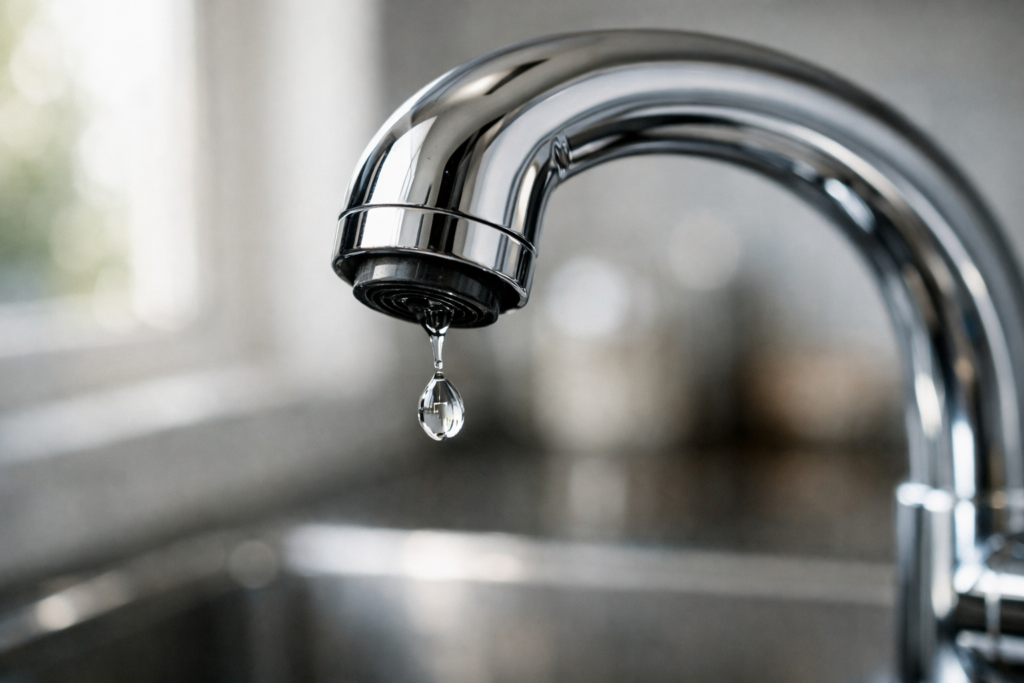
A dripping tap is one of the most common plumbing problems in UK homes. It seems small at first — just a quiet drip, drip, drip in the middle of the night. But left unchecked, it can waste hundreds of litres of water a year, push up your water bill, and sometimes point to a bigger problem hiding behind the wall.
At Catalyst Home Services, we repair dripping and leaking taps across London every week, from kitchen mixers to outdoor garden taps. In this guide, we’ll walk you through why taps drip, how to fix a dripping tap yourself where it’s safe to do so, and when it’s time to call in a professional.
Why Does a Tap Drip?
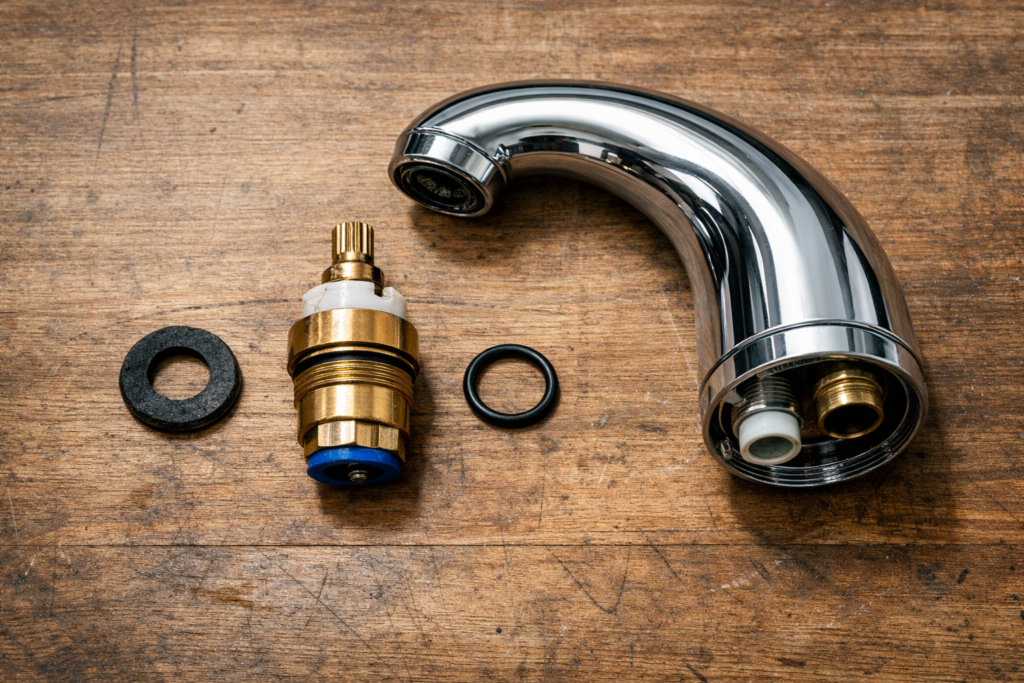
Most taps drip for one of these reasons:
- Worn washers or O-rings – the most common cause in traditional taps. Rubber washers harden and crack over time.
- Damaged valve seat – corrosion or mineral build-up around the valve seat can stop the tap sealing properly.
- Loose or worn cartridge – modern mixer taps use a cartridge instead of a washer, and these wear out over years of use.
- High water pressure – excess pressure can force water past even a healthy seal.
- Poor original installation – taps fitted incorrectly are more prone to leaks later on.
Identifying the actual cause is the difference between a five-minute fix and a repair that keeps coming back. If you’re not confident diagnosing the issue yourself, our Tap & Faucet Repair team can inspect and fix it properly the first time.
Step-by-Step: How to Fix a Dripping Tap
Before you start, always turn off the water supply — either at the isolation valve under the sink or at the main stopcock. Then follow these steps:
1. Plug the sink so you don’t lose small parts down the drain.
2. Remove the tap handle, usually by prising off a decorative cap and undoing a screw underneath.
3. Take out the valve or cartridge using an adjustable spanner, turning anti-clockwise.
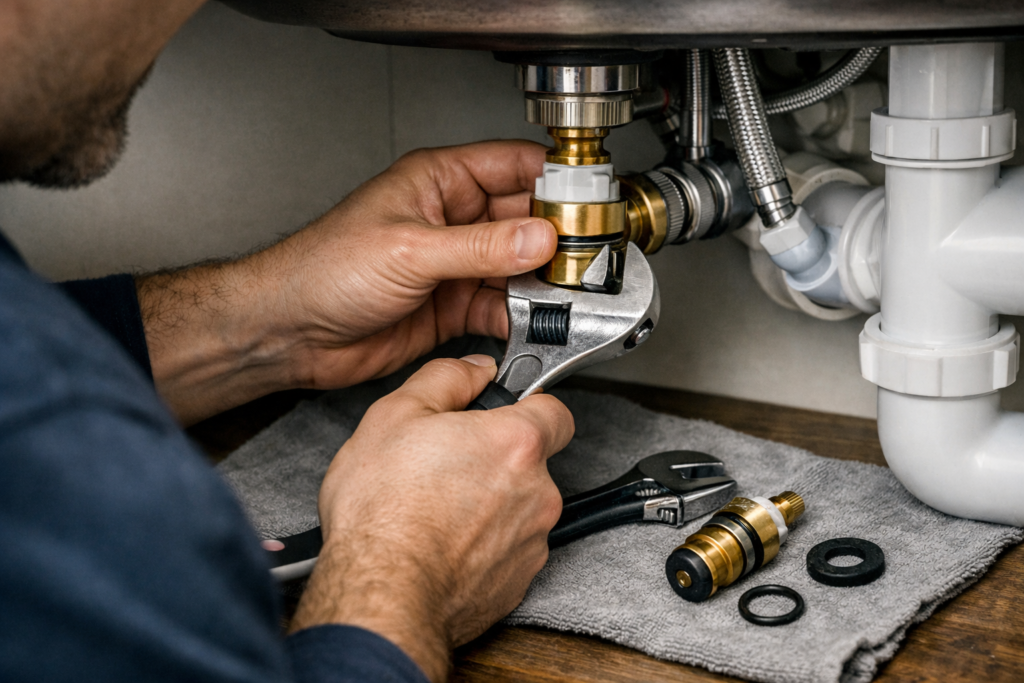
4. Inspect the washer or O-ring. If it’s cracked, flattened, or stiff, replace it with the correct size for your tap model.
5. Check the valve seat for scratches or limescale. A build-up here often needs a light clean or, in some cases, a specialist reseating tool.
6. Reassemble the tap in reverse order and turn the water supply back on.
7. Test the tap at both full pressure and low pressure to confirm the drip has stopped.
If the drip continues after replacing the washer, the problem is likely the valve seat or an internal fault that needs a trained eye. This is a common reason homeowners in London call our Leak Detection & Repair team, especially if water is also appearing around the base of the tap or under the cabinet.
Fixing a Dripping Garden Tap
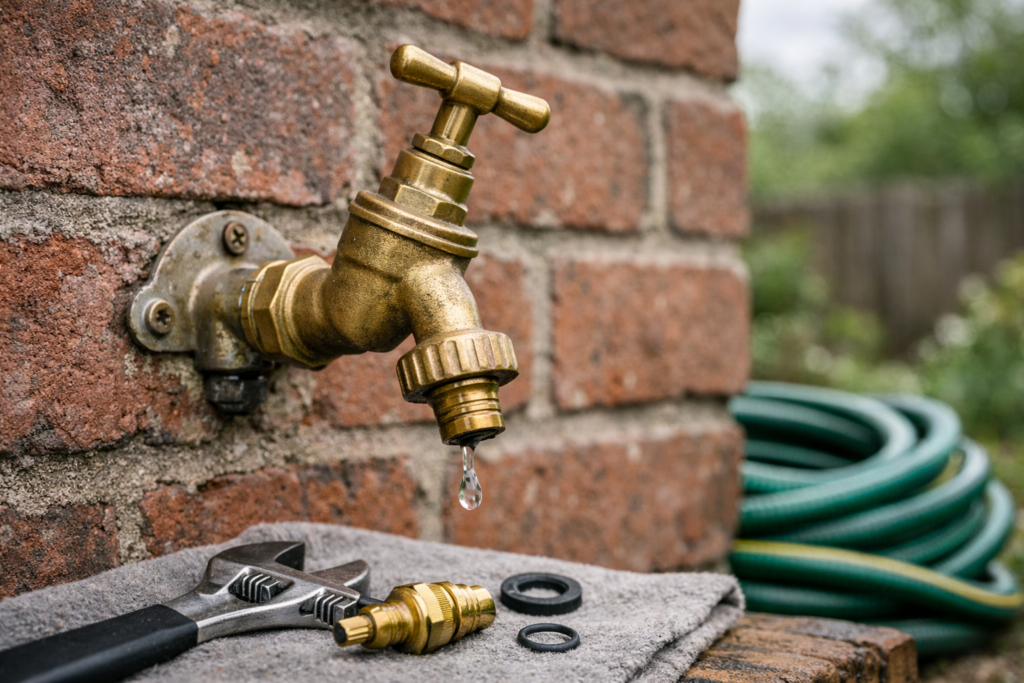
Garden taps (also called outdoor taps or bib taps) are just as important as the taps inside your home, yet they’re often the most neglected. A dripping garden tap can waste a surprising amount of water over a season, encourage moss and damp around your exterior wall, and in winter, a poorly maintained tap is at real risk of freezing and bursting.
Why Garden Taps Matter
Garden taps supply water for cleaning cars, watering plants, filling paddling pools, and connecting hoses. Because they sit outside, they’re exposed to frost, UV, and general wear that indoor taps never face. A leak here isn’t just annoying — a burst outdoor pipe in winter can flood a garden or even find its way back into the house through an external wall.
Common Types of Garden Taps
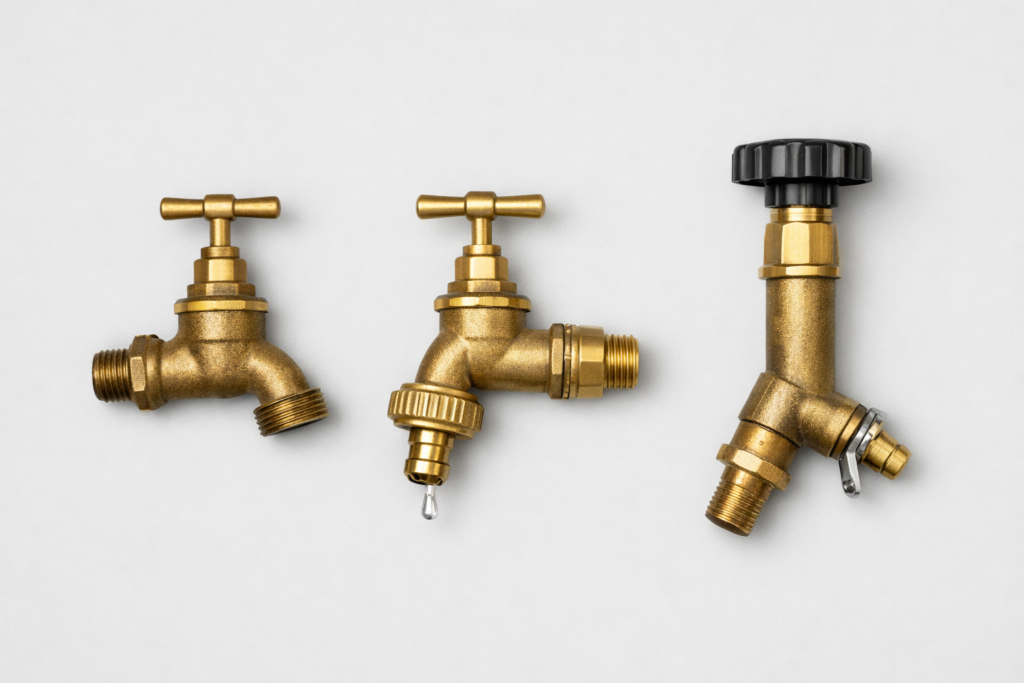
- Standard bib taps – simple, non-mixing taps with a single valve, the most common outdoor type.
- Hose union taps – bib taps with a threaded nozzle for attaching a hose, often with a built-in check valve to prevent backflow into your mains water.
- Frost-resistant taps – designed with the valve set further back inside the wall, reducing the risk of the exposed section freezing.
- Wall-mounted vs. post-mounted taps – wall taps run directly off an external wall; post taps stand independently in a garden bed, useful when the tap needs to be positioned away from the house.
Installation Tips for Garden Taps
- Always fit a frost-resistant tap if you’re installing new, especially in colder parts of London.
- Include an isolation valve indoors so you can shut off the garden tap’s supply separately in winter, without affecting water to the rest of the house.
- Use a check valve (often built into hose union taps) to stop contaminated water siphoning back into your drinking supply — this is a legal requirement under UK water regulations.
- Make sure the tap is fitted with proper wall sealant around the pipe entry point to stop water tracking back into brickwork.
If you’re planning a new outdoor tap or replacing an old one, our Installation Services team can fit it correctly and in line with current water regulations.
Maintaining Your Garden Tap
- Drain the tap before winter. Turn off the internal isolation valve and open the outdoor tap to release any trapped water.
- Check washers annually. Outdoor washers perish faster than indoor ones due to temperature swings.
- Inspect for green staining or moss around the tap base — a sign of a slow, ongoing leak.
- Disconnect hoses when not in use to reduce pressure on the tap’s seal.
Common Garden Tap Problems
- Dripping after use – usually a worn washer, the same fix as an indoor tap.
- No water flow in winter – often a frozen or burst section of pipe.
- Water leaking from the wall behind the tap – a sign of a cracked pipe or failed seal, which needs prompt attention to avoid damp and structural damage.
When a Dripping Tap Is a Bigger Warning Sign
Sometimes a drip is about more than a worn washer. If you notice:
- Sudden drops in water pressure alongside the drip
- Damp patches on walls or under sinks
- A tap that drips no matter how tightly you turn it off
…it may point to a wider issue with your pipework or water pressure. Our Water Pressure Issues service can assess whether pressure in your system is contributing to the problem, while our Emergency Plumbing team is on hand if a leak turns urgent.
DIY vs. Calling a Plumber
Fixing a dripping tap is one of the more approachable DIY plumbing jobs, and many homeowners can replace a simple washer with basic tools. However, you should call a professional if:
- The tap continues dripping after a washer replacement
- You’re not confident shutting off your water supply safely
- The tap is old, corroded, or difficult to dismantle
- The leak is coming from inside a wall or under a fixed cabinet
- It’s a garden tap connected to external pipework that may be at risk of frost damage
A professional repair also protects your home from accidental water damage, which can be far more costly than the original drip.
Trusted Tap Repairs Across London
Catalyst Home Services has been helping homeowners across London fix dripping taps, garden taps, and wider plumbing issues for years. Our engineers are experienced, fully equipped, and committed to transparent pricing with no hidden charges — so you know exactly what you’re paying for before any work begins.
Whether it’s a single kitchen tap or a full outdoor tap installation, we bring the same standard of care to every job, big or small. We proudly serve homes throughout North London, including Barnet, Camden, and Enfield, and beyond.
If your tap is still dripping, don’t wait for it to get worse. Book a plumber online today, or get in touch with our 24/7 Emergency Plumbing line for urgent leaks. You can also read more plumbing tips on our blog, or check out what our customers say in our reviews and testimonials.
Have a question about a dripping tap or another plumbing issue? Contact Catalyst Home Services — we’re happy to help.