
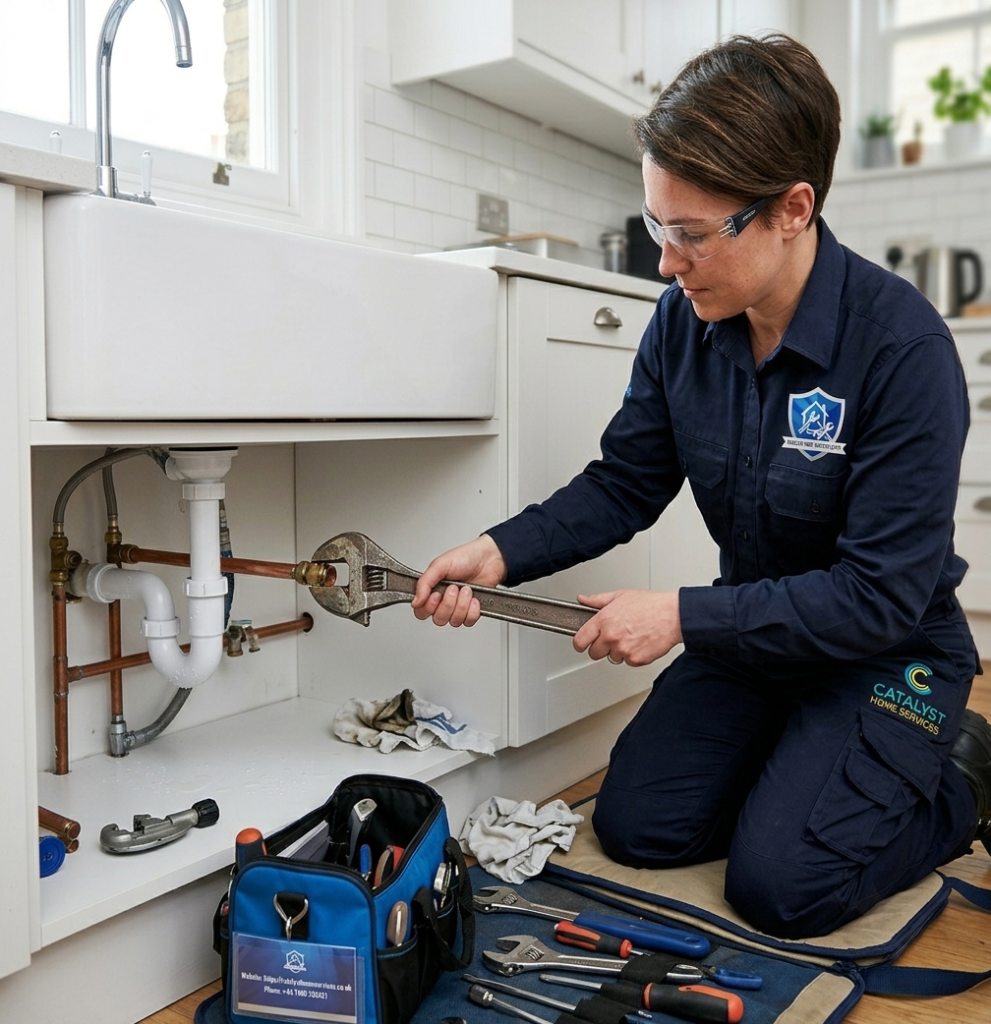
A dripping pipe rarely stays a small problem for long. What starts as a faint stain on the ceiling or a damp patch under the sink can quickly turn into a burst pipe, a flooded kitchen, or a five-figure repair bill if it is left unattended. Whether you are dealing with a sudden burst, a slow leak, or general wear and tear on old plumbing, understanding your options for pipe repair can save you time, money, and stress.
In this guide, we will walk through the most common pipe problems homeowners across London face, how professionals diagnose and fix them, what DIY fixes can and cannot do, and when it is time to call in a trusted local plumber. If you are dealing with a plumbing issue right now, our team at Catalyst Home Services is available for same-day repairs across London.
Why Pipe Problems Should Never Be Ignored
Pipes carry water under pressure, and even a small fault can escalate fast. A pinhole leak that seems harmless today can corrode further and become a burst pipe tomorrow. Beyond the immediate mess, ongoing leaks can lead to:
- Structural damage to walls, ceilings, and floors
- Mould and damp, which affect indoor air quality and health
- Higher water bills from constant, unnoticed wastage
- Damage to flooring, cabinetry, and electrical fittings near pipework
This is why catching the early warning signs and arranging a professional pipe repair sooner rather than later is always the more cost-effective choice.
Common Signs You Need Pipe Repair
Most pipe issues give some warning before they become emergencies. Look out for:
Unexplained damp patches or stains. Discoloured patches on ceilings, walls, or under cabinets often point to a hidden leak behind the surface.
A sudden drop in water pressure. If taps or showers suddenly run weaker than usual, it could mean a leak is diverting water elsewhere in the system. Our dedicated water pressure issues page covers this in more depth.
The sound of running water with no tap on. A hissing or trickling sound from inside walls or under floors is a classic sign of a hidden pipe leak.
Higher than normal water bills. If your usage habits have not changed but your bill has gone up, an undetected leak is a likely culprit.
Visible corrosion or rust on pipework. Older copper or galvanised steel pipes can corrode from the inside out, eventually leading to pinhole leaks or full bursts.
A burst pipe. This is the most urgent scenario. Water pouring from a split pipe needs an immediate response. If this is happening to you right now, head straight to our emergency plumbing service or 24/7 emergency line.
What to Do Immediately If a Pipe Bursts
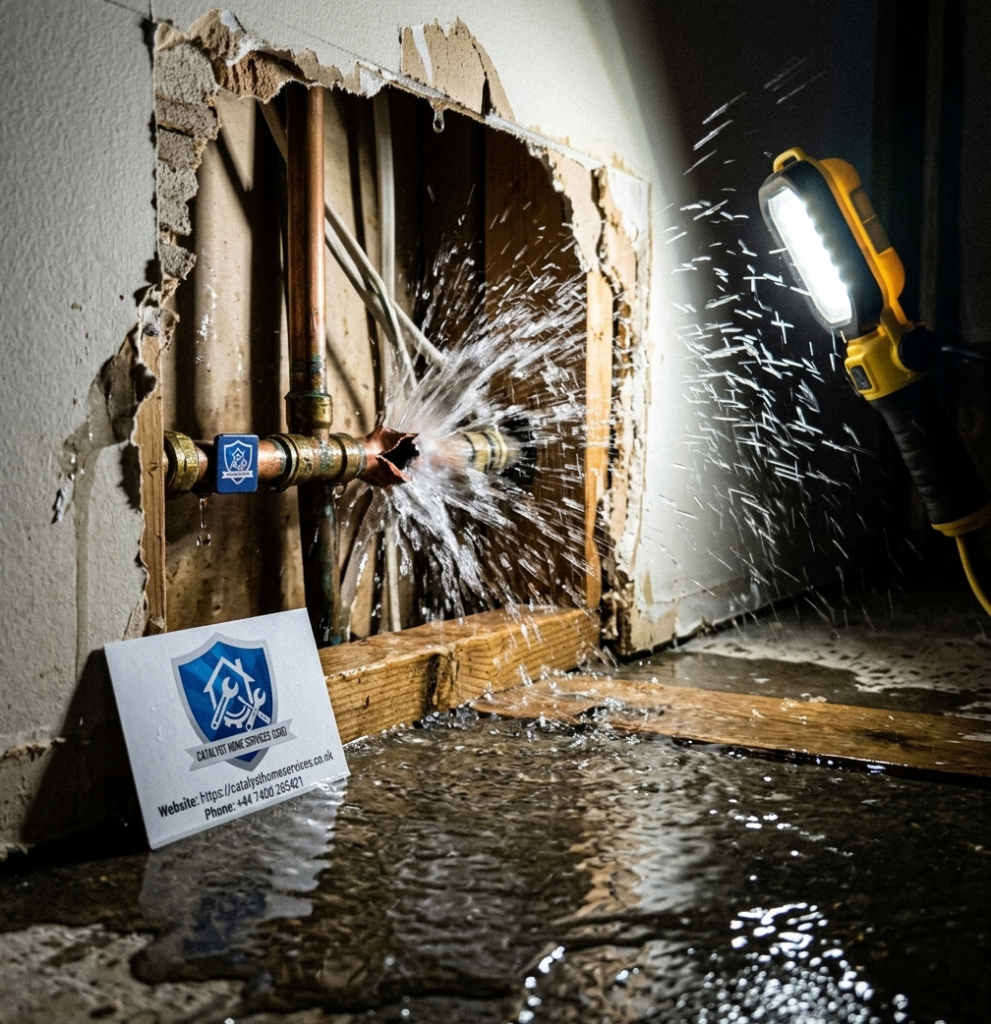
If you discover a burst or badly leaking pipe, every minute counts. Follow these steps while you wait for help:
- Shut off the water supply. Locate your stopcock, usually under the kitchen sink or near the water meter, and turn it clockwise to stop the flow.
- Turn off the electricity in affected areas. Water and electrics are a dangerous combination, so switch off the supply to any sockets or fittings near the leak if it is safe to do so.
- Drain the system. Open cold taps to drain remaining water from the pipes and reduce pressure on the damaged section.
- Contain the water. Use towels, buckets, or basins to limit damage to flooring and furniture while you wait.
- Call a professional. Even if the immediate flow has stopped, the underlying damage to the pipe needs proper assessment and repair.
For a step-by-step breakdown tailored to bursts specifically, see our dedicated burst pipe repair page.
How Professional Pipe Repair Works
When you call in a qualified plumber, the process typically follows a few clear stages.
1. Diagnosis and Leak Detection
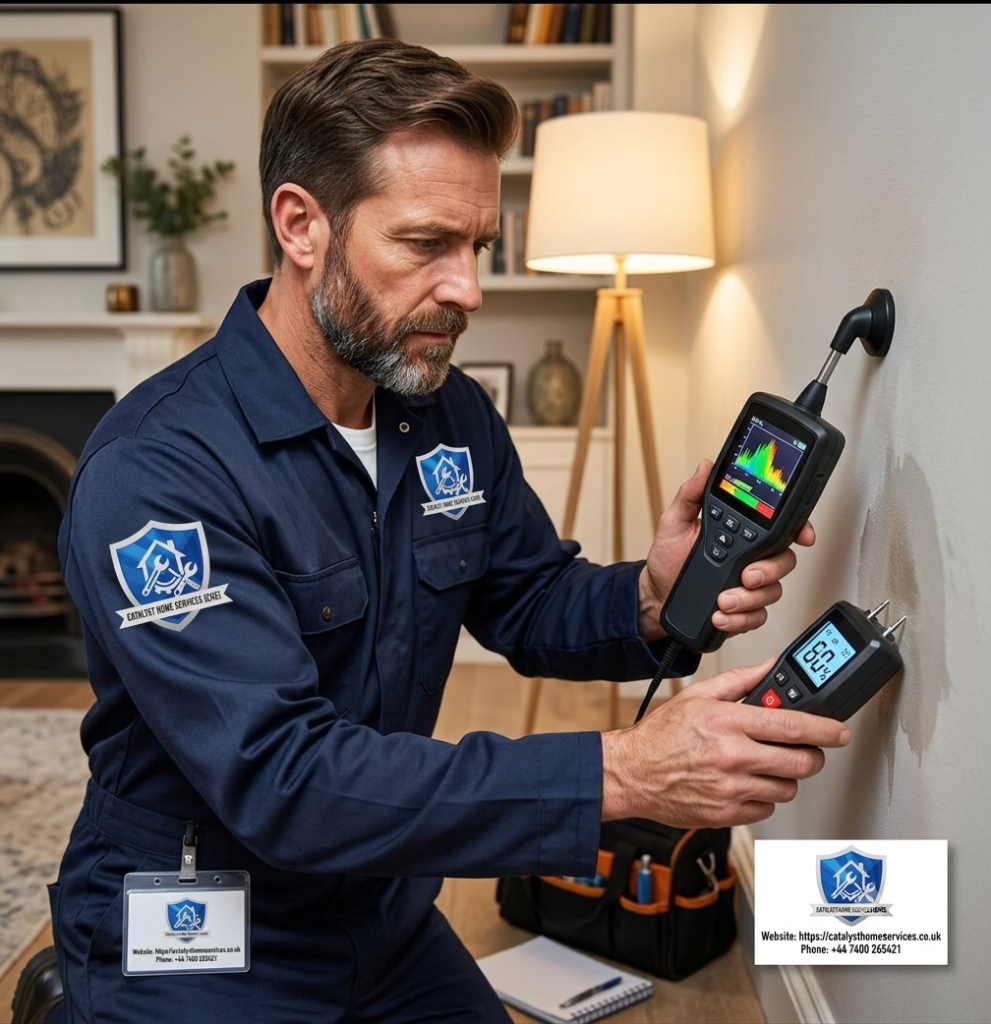
Before any repair begins, the source of the problem needs to be pinpointed accurately. For hidden leaks behind walls, under floors, or underground, professionals use specialist equipment such as acoustic listening devices, thermal imaging, and moisture meters rather than guesswork or unnecessary demolition. Learn more about how this works on our leak detection and repair page.
2. Assessing the Pipe Material and Damage
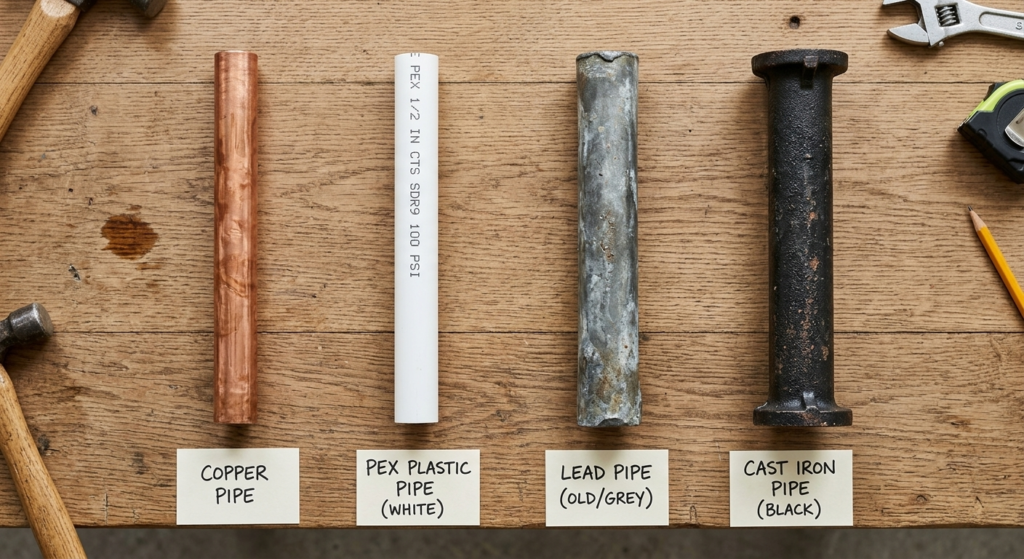
The right fix depends heavily on what the pipe is made of and how badly it is damaged.
- Copper pipes can often be repaired using compression fittings, push-fit connectors, or soldered joints for small cracks and pinhole leaks.
- Plastic and PEX pipes are usually repaired with push-fit couplings or, for larger sections, full replacement of the damaged length.
- Lead pipes, common in older London properties, often need replacement rather than repair, as the material is brittle, prone to further failure, and a recognised health concern.
- Cast iron and galvanised steel pipes frequently suffer from internal corrosion, which may mean a short-term patch is only a temporary measure before a fuller pipe replacement or relining is needed.
3. Choosing the Right Repair Method
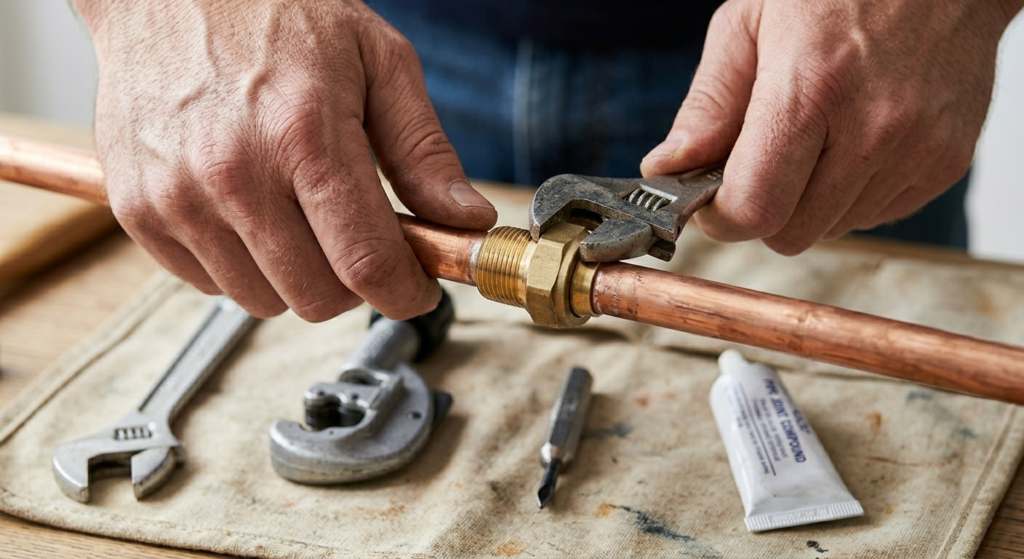
Depending on the diagnosis, a plumber may use:
- Compression or push-fit fittings for a quick, reliable seal on small sections
- Pipe repair clamps or sleeves for larger splits, particularly as a temporary fix before full replacement
- Epoxy putty or repair tape for very minor pinhole leaks, though these are generally short-term solutions
- Soldering or welding for copper and certain metal pipework
- Section replacement when the damaged length is too compromised to patch safely
4. Testing and Finishing
Once the repair is complete, the section is pressure-tested to confirm there are no further leaks, and the work area is left clean and tidy. Any decorative or structural elements disturbed during access, such as tiles or boxing, are reinstated where possible.
DIY Pipe Repair: What You Can (and Cannot) Do Safely
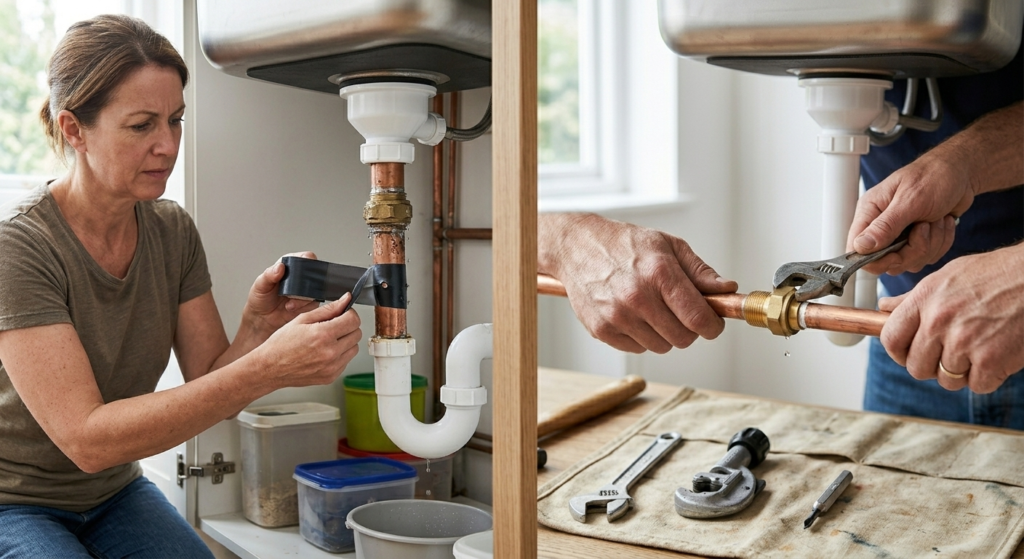
For very minor issues, some homeowners reach for a pipe repair tape, clamp, or epoxy putty from a hardware shop. These products can offer a temporary stop-gap for small pinhole leaks on accessible copper or plastic pipework, buying you time until a plumber arrives.
However, DIY fixes come with real limitations:
- They are rarely permanent. Tape and putty can fail under water pressure, especially on hot water pipes or pipes under load.
- They do not address the underlying cause. If corrosion, a weak joint, or pipe movement caused the leak, the same spot is likely to fail again, often worse than before.
- Hidden pipework is risky to access yourself. Cutting into walls or floors without knowing what is behind them can cause more damage, including to electrical cables.
- Gas and certain heating pipework should never be DIY’d. This work must be carried out by appropriately qualified professionals for safety and legal compliance.
If you are unsure whether your situation calls for a quick fix or a professional repair, it is always safer to get an expert opinion first.
How Much Does Pipe Repair Cost?
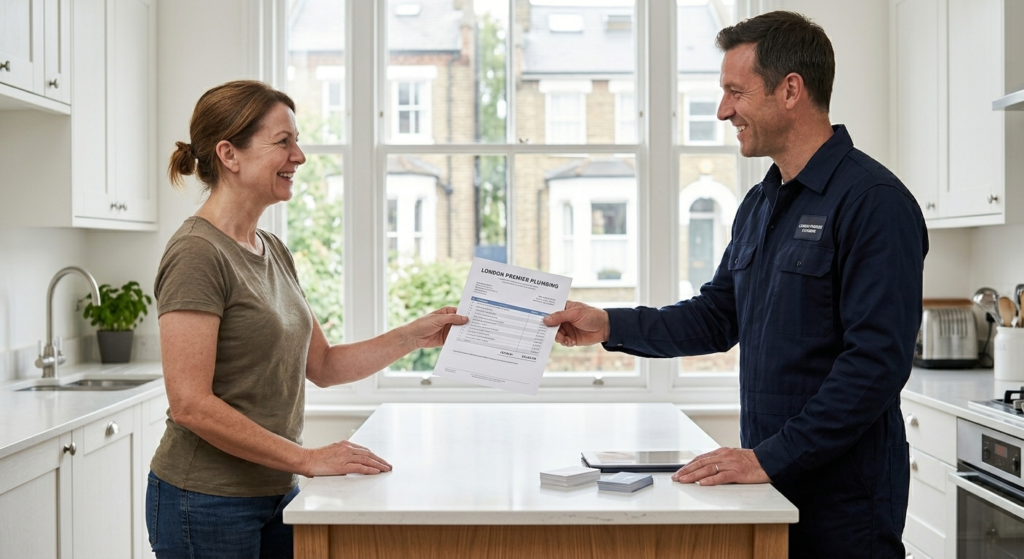
Pipe repair costs vary depending on a number of factors:
- Accessibility – a pipe under floorboards or behind tiling takes longer to reach than exposed pipework
- Pipe material – copper, plastic, lead, and cast iron all require different approaches and materials
- Severity of damage – a small pinhole leak is far less involved than a full burst affecting multiple sections
- Location – pipes in difficult-to-reach areas such as under concrete slabs or in lofts may require additional time
- Time of call-out – emergency or out-of-hours callouts typically cost more than scheduled daytime visits
Rather than guessing, the most reliable approach is to request a transparent, no-obligation quote. At Catalyst Home Services, we believe in clear, upfront pricing with no hidden charges, so you know exactly what you are paying for before any work begins.
Preventing Future Pipe Problems
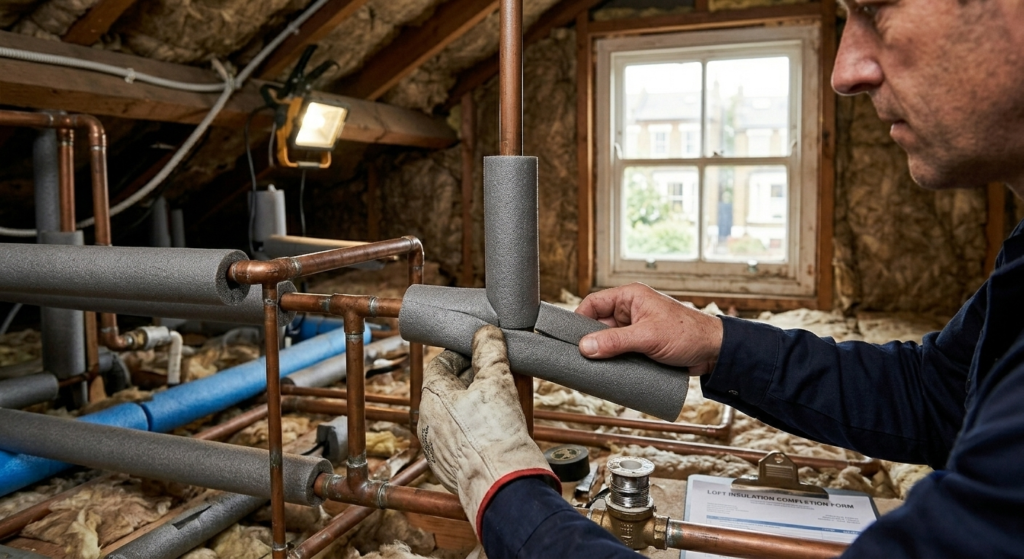
Repairing a pipe is only half the story. A few simple habits and proactive checks can dramatically reduce the chance of future leaks and bursts:
- Insulate exposed pipework, especially in lofts, garages, and outdoor walls, to reduce the risk of freezing and bursting in winter
- Know where your stopcock is and check it works, so you can act fast in an emergency
- Watch your water pressure and have persistent issues checked rather than ignored
- Schedule periodic plumbing checks, particularly in older properties with original pipework
- Address small leaks immediately rather than waiting for them to become bigger problems
For homeowners and landlords who want ongoing peace of mind, our Annual Maintenance Contracts include regular checks designed to catch issues like these before they escalate. You can explore our Residential AMC or Commercial AMC options depending on your property type.
When to Call a Professional Plumber
While minor maintenance is fine to handle yourself, you should call a professional plumber if:
- Water is actively leaking or pooling and you cannot stop it at the stopcock
- The leak is from a hidden or hard-to-reach pipe
- You notice recurring leaks in the same area
- The pipework is old, lead, or you are unsure of the material
- The issue involves a boiler, heating system, or gas line
Our team covers repair services, drainage services, and installation services across London, so whatever the underlying cause, we can diagnose, repair, and where needed, replace the affected pipework in one visit.
Why Choose Catalyst Home Services for Pipe Repair

At Catalyst Home Services, pipe repair is one of the most common calls we receive, and we understand how disruptive and stressful a leaking or burst pipe can be. Here is what sets our service apart:
Fast response times. We aim to get to you quickly, because the longer a leak runs, the more damage it can cause. Find out more about our approach on our Fast Response, Lasting Solutions page.
Experienced, qualified professionals. Our team has the training and tools to handle everything from a simple tap repair to a full pipe replacement, across copper, plastic, and older lead or cast iron systems.
Transparent pricing. No hidden fees, no surprises. You will know the cost before any work begins.
Coverage across London. From North London boroughs including Barnet, Camden, and Enfield, to surrounding areas, we are well placed to respond quickly wherever you are.
To learn more about who we are and the standards we hold ourselves to, visit our Our Story and Licences & Certifications pages. You can also read what our customers say on our Reviews & Testimonials page.
Get Your Pipe Repaired Today
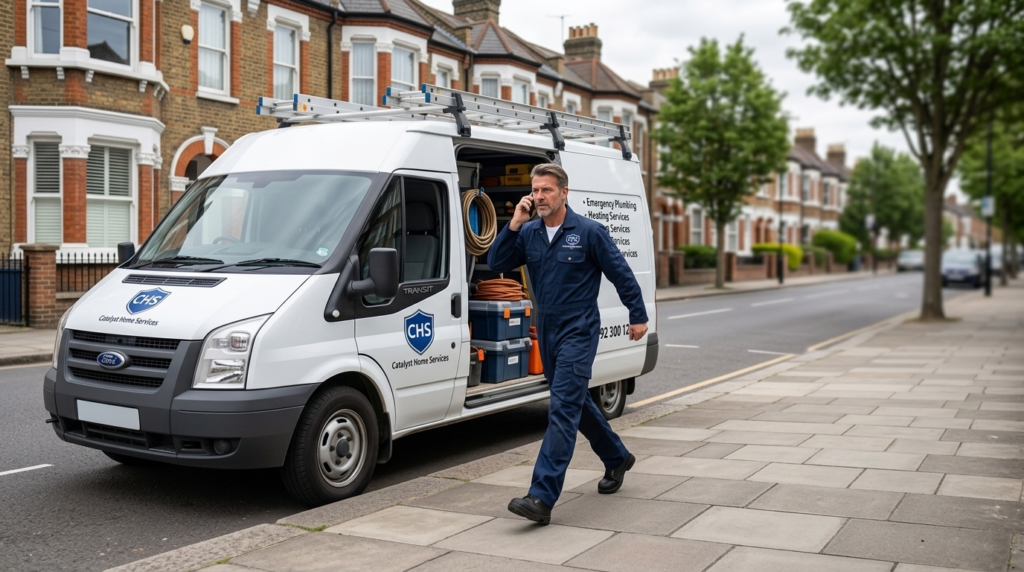
A leaking or burst pipe will not fix itself, and the longer it is left, the more it can cost. Whether you have a small drip under the sink or a full-blown emergency, our team is ready to help.
Book a Plumber Online for scheduled repairs, or call our 24/7 Emergency Line if you need help right now. You can also contact us directly with any questions, and our friendly team will be happy to advise on the best next steps for your home.
FAQs
How long does it take a plumber to fix a burst pipe?
Most straightforward burst pipe repairs can be completed within one to two hours once the affected section is located and accessible. More complex jobs, such as those involving hidden pipework or significant water damage, may take longer.
Can I call an emergency plumber when a pipe bursts?
Yes. A burst pipe is considered a plumbing emergency, and our 24/7 emergency line is available specifically for situations like this.
Is it safe to fix a leaking pipe with tape?
Tape and similar products can offer a short-term measure for very minor leaks, but they are not a permanent solution and should be followed up with a proper repair as soon as possible.
What causes pipes to leak in the first place?
Common causes include corrosion in older pipework, high water pressure, frozen and thawed pipes, loose joints, and general wear over time.
Do I need to replace the whole pipe, or can it just be repaired?
This depends on the extent of the damage and the pipe material. Many issues can be repaired locally, but pipes with widespread corrosion, such as old lead or cast iron systems, may benefit more from full replacement or relining.