
A roof leak can turn from a small nuisance into expensive damage very quickly, especially in London where rain and wind are common. The good news is that many leaks can be controlled early with the right steps, and you can often spot the cause before it gets worse.
Why roof leaks happen

Roof leaks usually start with a small failure in the roof system rather than a dramatic hole. Common causes include slipped or broken tiles, damaged flashing around chimneys or skylights, blocked gutters, cracked felt on flat roofs, and storm damage. In London homes, older properties often have worn mortar, aging lead flashing, and roof sections that have simply reached the end of their lifespan. A leak may show up inside far away from the actual entry point because water can travel along wood, insulation, or rafters before dripping down.
First things to do
When you notice a leak, act fast. Put a bucket or container under the drip, move furniture and valuables away, and use towels to protect flooring. If water is spreading inside, poke a small hole in a bulging ceiling only if you are certain it is safe, because this can release trapped water and reduce collapse risk. If the leak is active during heavy rain or strong wind, a temporary cover is better than trying to climb onto the roof in unsafe conditions.
Find the source
The most important step in roof leak repair is finding the true source, not just the drip point. Check your loft or attic with a torch and look for damp timber, dark stains, mould, wet insulation, or daylight coming through the roof boards. Water stains on ceilings often appear a little away from the actual leak because gravity and roof pitch move water sideways. Outside, inspect tiles, slates, flashing, ridges, gutters, and chimney joints for cracks, gaps, or pieces that have shifted out of place. If the leak appears only after rain, the problem is usually high on the roof or around a penetration like a vent, skylight, or chimney.
Easy temporary fixes
For a short-term repair, you can use a waterproof tarp or heavy-duty plastic sheet to keep more water out until proper work is done. On small exterior gaps, roofing sealant or roof repair tape can help temporarily, especially around flashing edges, minor cracks, and small flat-roof splits. If a tile is missing and you can safely reach it, replacing it temporarily or covering the exposed area may limit damage. These are temporary solutions only, but they can save ceilings, insulation, and electrics from further harm. A London repair service may also offer emergency make-safe work for urgent leaks.
Repair methods by roof type
Different roofs need different repair methods.
| Roof type | Common leak cause | Usual repair method |
|---|---|---|
| Pitched tile roof | Slipped, cracked, or missing tiles | Replace damaged tiles, check underlay, reseal around fixings |
| Slate roof | Broken slate or failing nail fixing | Replace slate and inspect surrounding slates |
| Flat roof | Cracked felt, membrane splits, ponding water | Patch membrane, reseal joints, improve drainage |
| Chimney area | Failed flashing or mortar joints | Repoint, repair lead flashing, reseal gaps |
| Skylight/roof window | Deteriorated seal or flashing | Reseal frame, renew flashing kit if needed |
On flat roofs, leaks often come from seams, blistering, or standing water. Cleaning the area and applying a compatible patch or membrane repair can work well if the damage is localised. On pitched roofs, a broken tile or slate is often enough to let water in, so replacing the broken section and checking the underlay is the proper fix. Around chimneys, flashing is a very common weak point, and poor seals there can cause repeat leaks if only the visible crack is filled.
Useful tricks that help
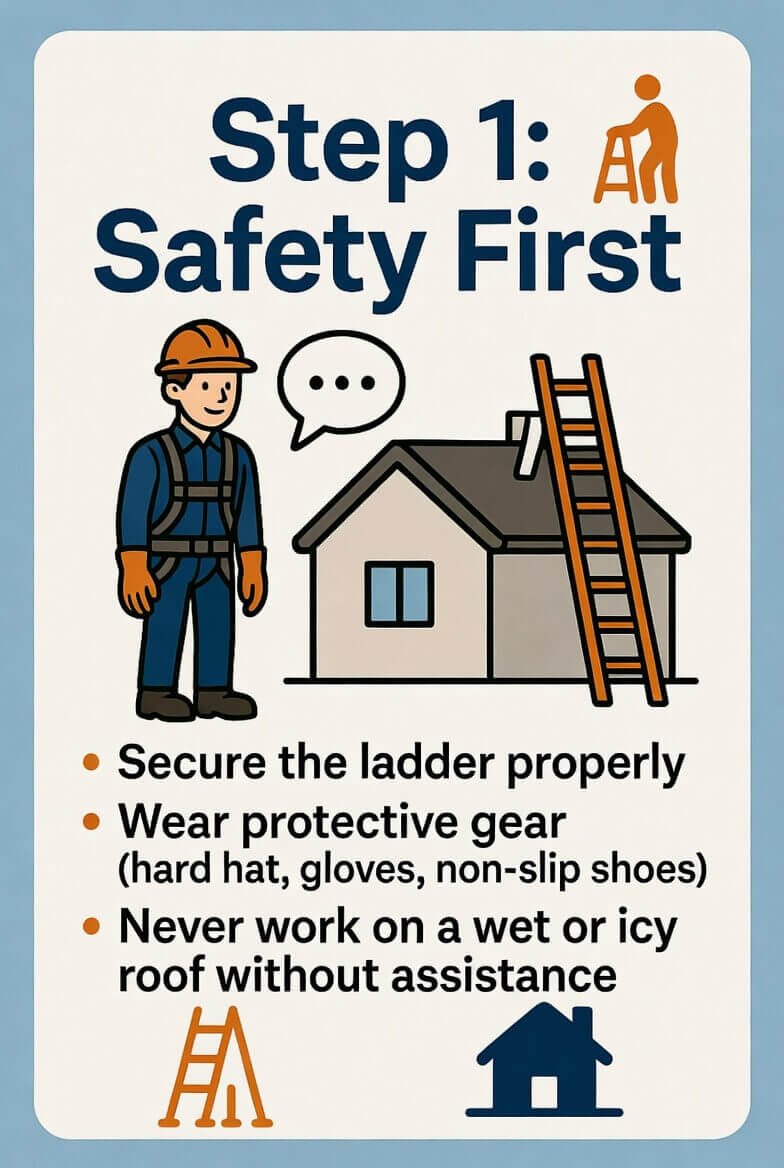
A few practical habits make roof leak repair easier and more reliable. Always check the roof after a storm, because wind can loosen tiles and debris can block gutters. Keep gutters and downpipes clear so water does not back up under the roof covering. Take photos of stains and damaged areas before and after repairs, because this helps you track whether the leak is truly fixed. If you are doing a DIY repair, work on a dry day, use proper footwear, and never step on fragile roof sections or wet slate. For flat roofs, make sure the surface is completely clean and dry before applying any sealant, because dirt and moisture reduce adhesion.
When to call a professional
Call a professional roofer if the leak is near a chimney, valley, skylight, or ridge, if the roof is steep, if there is multiple-area damage, or if the ceiling is sagging. You should also get help if the leak keeps returning after a patch, because that usually means the real problem was not addressed. In London, many roofing companies offer emergency roof leak repairs, inspection, gutter repairs, flashing repairs, and flat-roof patching. Professional repair is especially important when the roof structure, electrics, or insulation may already be affected.
Preventing future leaks
Prevention is cheaper than repeated repairs. Schedule a roof inspection at least once a year, and always after heavy wind or storms. Clear gutters regularly, trim overhanging branches, and watch for missing mortar, cracked seals, and loose flashing. If your roof is older, ask a roofer whether a section needs repair, overlay, or full replacement instead of repeated patching. Good maintenance can extend the life of both pitched and flat roofs and reduce the chance of surprise leaks.
A simple home action plan
Start by containing the water, then find the leak source in the loft, then apply a temporary patch if weather and safety allow. After that, arrange a permanent repair matched to the roof type, because quick sealants rarely solve the root cause. For homeowners in London, the best results usually come from early action, careful inspection, and proper flashing or tile replacement instead of repeated short-term fixes.
A roof leak is one of those problems that rewards fast action. The sooner you deal with it, the less likely it is to damage ceilings, insulation, and the structure of the home.
